108 Years of Waiting: What the Cubs' 2016 World Series Win Teaches Us About Playing the Long Game
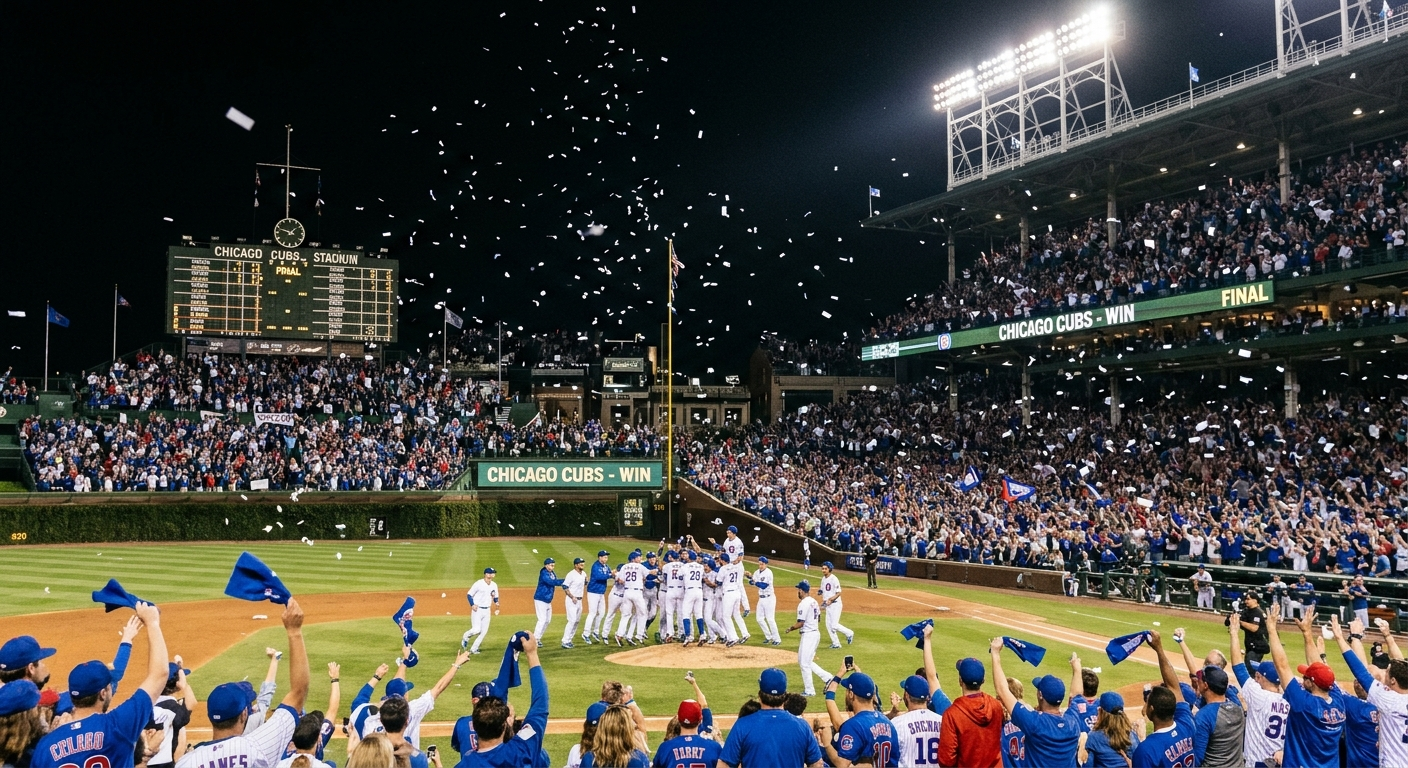
On November 3, 2016, the Chicago Cubs did something that generations of fans had stopped believing was possible — they won the World Series, ending a drought that stretched all the way back to 1908. Think about that for a second. One hundred and eight years. Entire lifetimes came and went without a single championship. And yet, on that night, in extra innings of Game 7, they did it anyway. It wasn't luck. It was years of quiet, unglamorous work: rebuilding the roster, changing the culture, and committing to a process even when the results weren't showing up on the scoreboard.
There's something in that story that should resonate with anyone building a software product, leading a team, or running a tech business. So much of what we do doesn't pay off immediately. You refactor the codebase nobody sees. You invest in documentation that feels thankless. You build the team culture that won't show up in this quarter's metrics. The temptation is always to chase the quick win — the flashy feature, the shortcut, the pivot that promises overnight results. But the Cubs didn't win by accident in 2016. They won because their leadership made hard, boring, disciplined decisions for years before the champagne ever got popped.
The other thing worth remembering? The Cubs were down 3-1 in that series before they came back to win. In tech, we love the origin story and the launch moment, but we rarely talk enough about the 3-1 deficit — the failed product version, the lost client, the missed deadline that felt like a death sentence. That's actually where most games are won or lost. If you're in the middle of something that feels impossible right now, November 3rd is a pretty good day to remember that 108 years of "not yet" eventually became one unforgettable "yes."