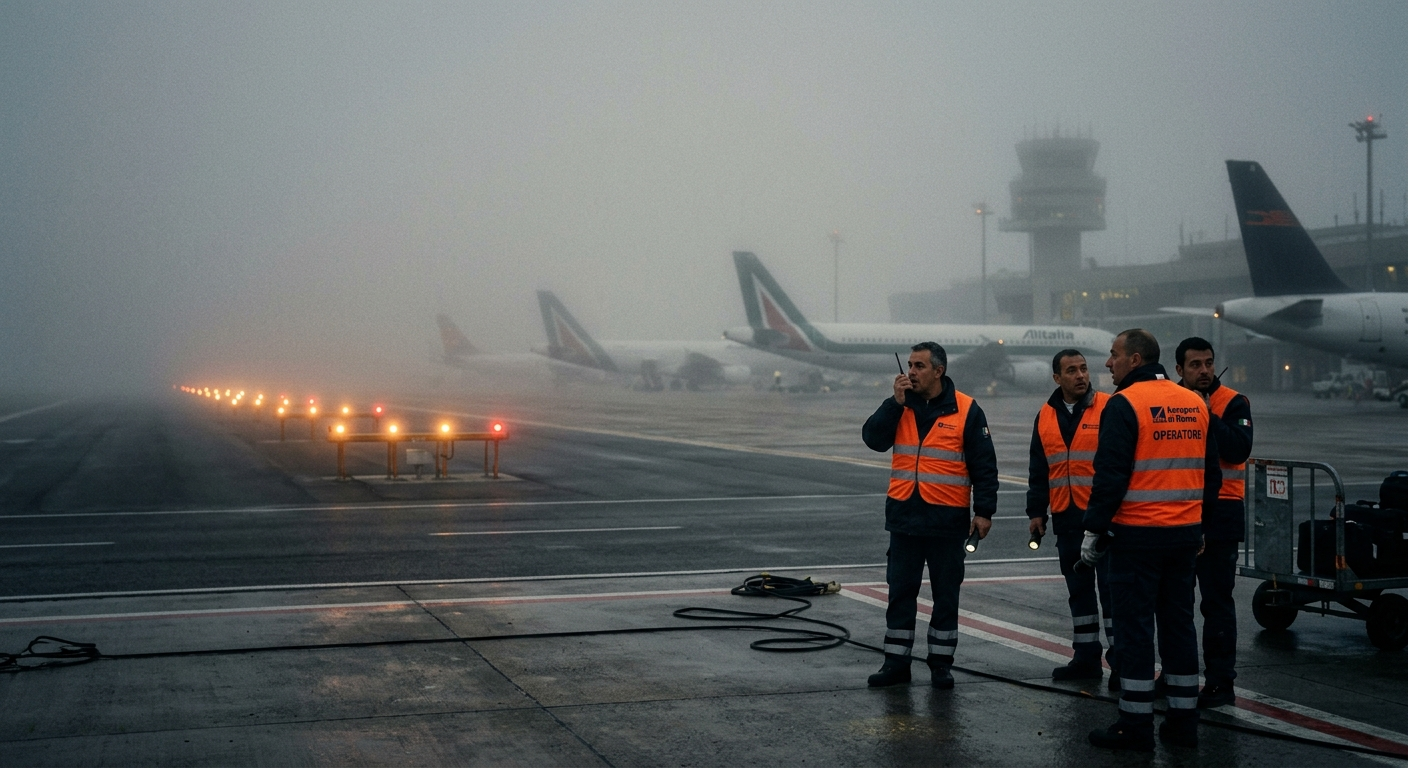
When the Fog Wins: Lessons from the Milan Runway Collision of 2001
On the morning of October 8, 2001, a small twin-engine Cessna Citation and an SAS MD-87 jetliner collided on a fog-blanketed runway at Milan's Linate Airport, killing all 118 people involved. Investigators would later find that the tragedy wasn't caused by one catastrophic mistake — it was the result of several small failures lining up perfectly at the worst possible moment. A ground radar system that wasn't being used. A taxiway sign that was easy to misread. Radio communications that didn't catch the error in time. Each gap, on its own, might have been survivable. Together, they were lethal.
In tech, we call this a cascading failure — and if you've spent any time in software development or IT operations, you've probably lived a version of it. Maybe it wasn't fog and runways, but it was a deployment that went sideways because the monitoring alert was misconfigured, the rollback procedure hadn't been tested, and the on-call engineer was three time zones away. No single person failed. The system failed. That's actually the harder truth to sit with, because it means pointing fingers doesn't fix anything. What fixes it is honest post-mortems, redundancy by design, and building teams that feel safe enough to say "I'm not sure about this" before the collision, not after.
The Linate disaster led to sweeping changes in European airport safety protocols — better ground radar deployment, clearer taxiway signage, and stronger communication standards. Good came from the grief, because people chose to look clearly at what broke. That's the standard worth holding in your own organization. When something goes wrong — a missed deadline, a security breach, a product launch that flopped — resist the urge to find the one person to blame. Ask instead: what did our system allow to happen? That question is harder, but it's the one that actually makes things safer next time.