2 Miles a Second: What the SR-71 Blackbird Teaches Us About Going Fast Without Breaking Things
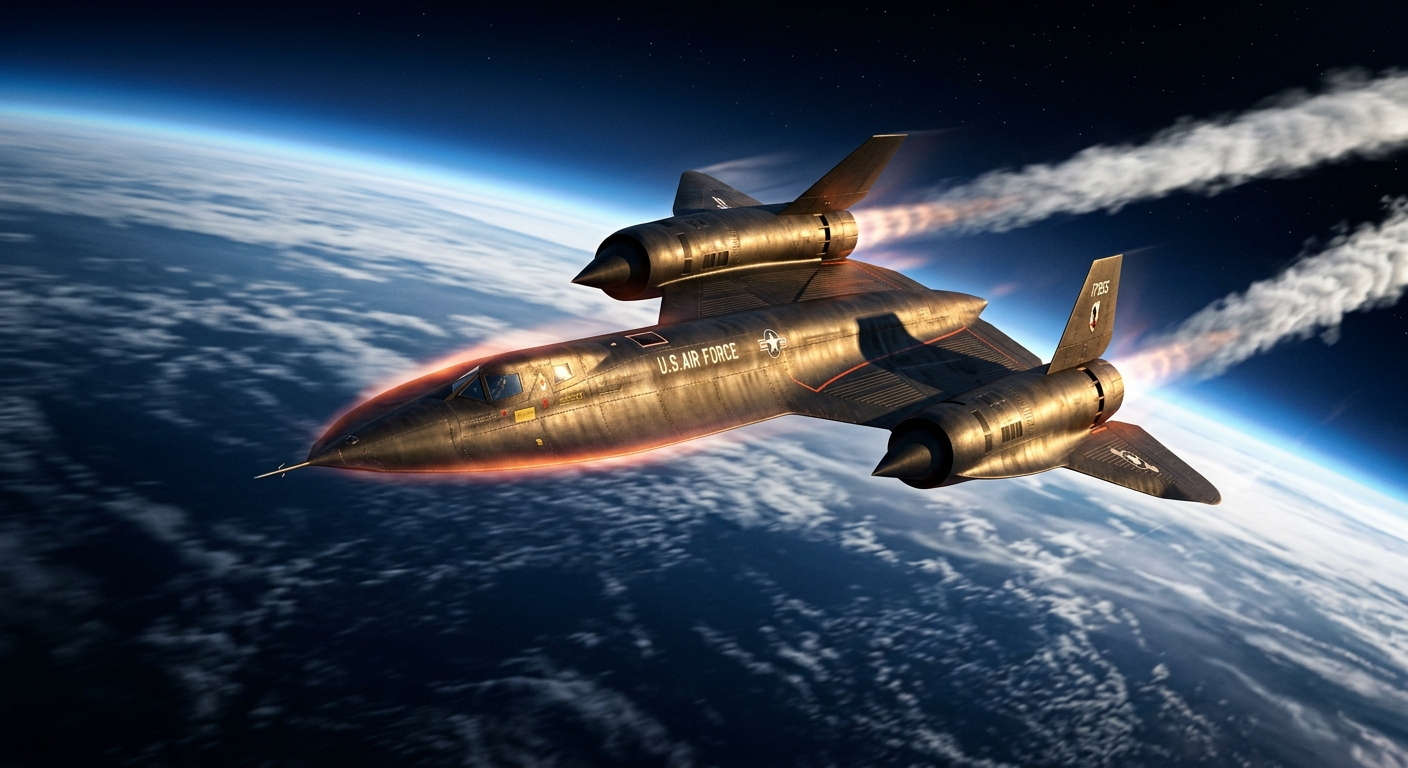
On September 1, 1974, a plane left New York and landed in London one hour, 54 minutes, and 56.4 seconds later. That's not a typo. The SR-71 Blackbird covered an ocean at 1,435 miles per hour — so fast that the friction of the air heated its titanium skin to over 500°F. It still holds the record today, more than 50 years later.
Think about that for a second. A machine designed and built in the early 1960s set a speed record that no commercial or military aircraft has beaten since. How? Not by doing everything fast — but by obsessing over the right engineering constraints. The Blackbird was designed from the ground up around a problem most engineers would have called impossible. Its airframe actually expanded several inches in flight due to heat, so the panels were built loose on the ground and only sealed properly at speed. The whole aircraft was, in a sense, designed to work under pressure. That's not recklessness — that's intentional architecture.
There's a real lesson here for software teams and tech leaders. Speed for its own sake breaks things. But speed built on the right foundation — solid architecture, clear constraints, a team that understands why the system works — that's when you get to hold a record for half a century. At Warren IT, that's the kind of thinking we bring to every project: not just "how do we ship fast," but "how do we build something that's still flying strong decades from now." The Blackbird didn't win by cutting corners. It won by being smarter about which problems were worth solving in the first place.