500 Million Surprises: What U2's Forced Album Drop Teaches Us About User Consent
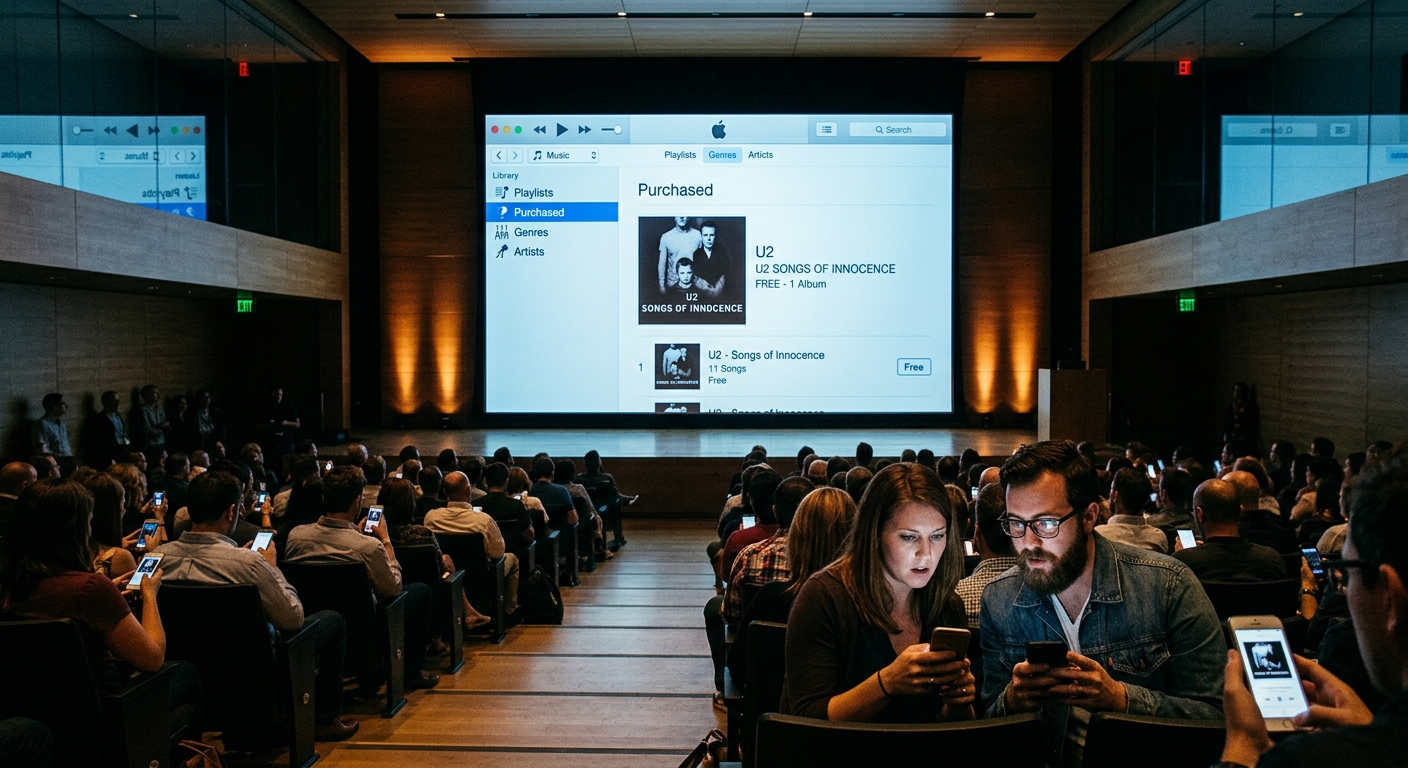
On September 9, 2014, Apple and U2 pulled off what they thought would be the most generous moment in music history. Songs of Innocence was quietly dropped into the "Purchased" section of over 500 million iTunes accounts — no warning, no opt-in, no asking. Just... there. Bono called it a gift. The internet called it something else entirely. Apple was eventually forced to build a dedicated removal tool just so people could get the album off their devices. A free gift had somehow become a crisis.
Here's the thing — the product itself wasn't bad. The intentions were genuinely good. But in tech, good intentions without user consent is just a fancy word for an unwanted intrusion. It doesn't matter if you're shipping a feature, pushing an update, or redesigning a dashboard your customers use every day: if you didn't ask, you're surprising people in their own house. The backlash wasn't really about U2's music. It was about 500 million people suddenly feeling like they'd lost control of something that was supposed to be theirs. That feeling — of having something done to you rather than for you — is a relationship killer in any product or business.
The lesson for anyone building software or leading a tech team is embarrassingly simple, and yet companies keep relearning it the hard way: ask first. Not because your users don't want good things, but because the act of asking is itself the good thing. It says you matter, your preferences matter, and you're in control here. Whether you're rolling out a new feature, migrating a client's system, or even just changing how invoices look — communicate, preview, and give people the option to say yes. The best product decisions aren't the boldest ones. They're the ones your users feel like they made themselves.