When Half a Percent Changes Everything
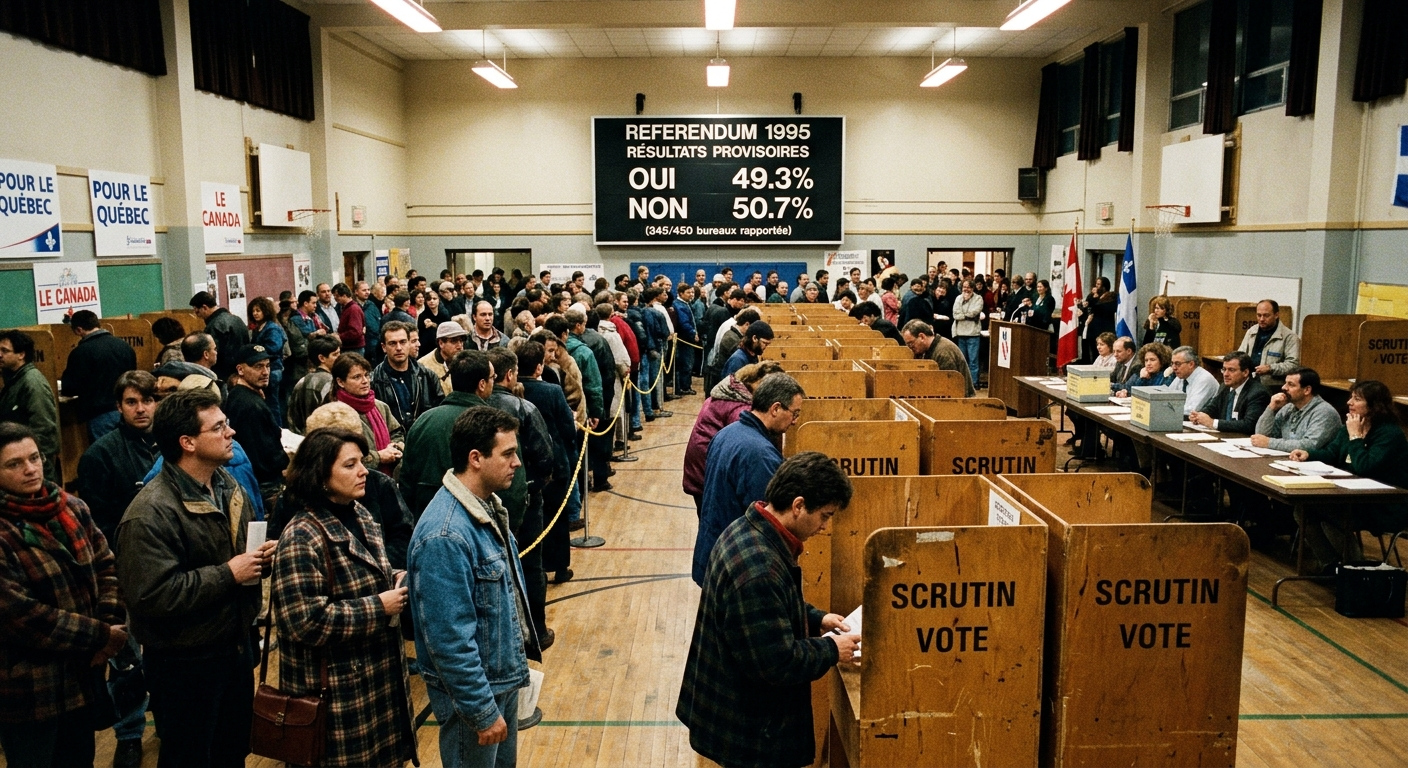
On October 30, 1995, nearly 5 million Quebecers went to the polls and made one of the closest collective decisions in democratic history. By the end of that night, Canada stayed whole — but just barely. The margin was 50.58% to 49.42%. We're talking about roughly 54,000 votes out of almost 5 million cast. If you've ever shipped a product feature that divided your team right down the middle, or pushed a major infrastructure change that half your stakeholders quietly resented, you already understand the uncomfortable energy in that room.
The Danger of "Good Enough" Buy-In
Here's what that referendum really exposed: a decision technically made is not the same as a direction truly taken. Canada didn't split, but nobody got to celebrate cleanly. That 49.42% didn't disappear — those people still showed up to work on Monday. In tech leadership, we do this all the time. We call a meeting, take a vote, declare consensus, and then wonder six months later why the migration is stalling or why two engineering factions keep relitigating the same architecture debate. Winning 50.58% of the room isn't alignment — it's a countdown timer. Real buy-in means doing the harder work before the vote to understand what the 49% actually needs to feel heard, even if the final call doesn't go their way.
Build the Bridge Before You Need the Vote
The lesson for anyone building software teams or leading transformation projects isn't "aim for unanimity" — that's a paralysis trap. It's that the quality of your pre-decision conversations determines whether your post-decision execution actually holds. Quebec's referendum was so close partly because the underlying concerns about identity, economy, and representation had been accumulating for decades without resolution. In your world, that looks like skipping the discovery phase, rushing a vendor decision, or rolling out a new process without explaining the why. Gabe and the team at Warren IT have seen this pattern more than once — the projects that get into trouble aren't usually the ones where people disagreed loudly. They're the ones where half the room nodded politely and never truly committed. Ask the harder questions early. The 0.58% margin has a long memory.