When 600,000 People Show Up and You Only Planned for Half That
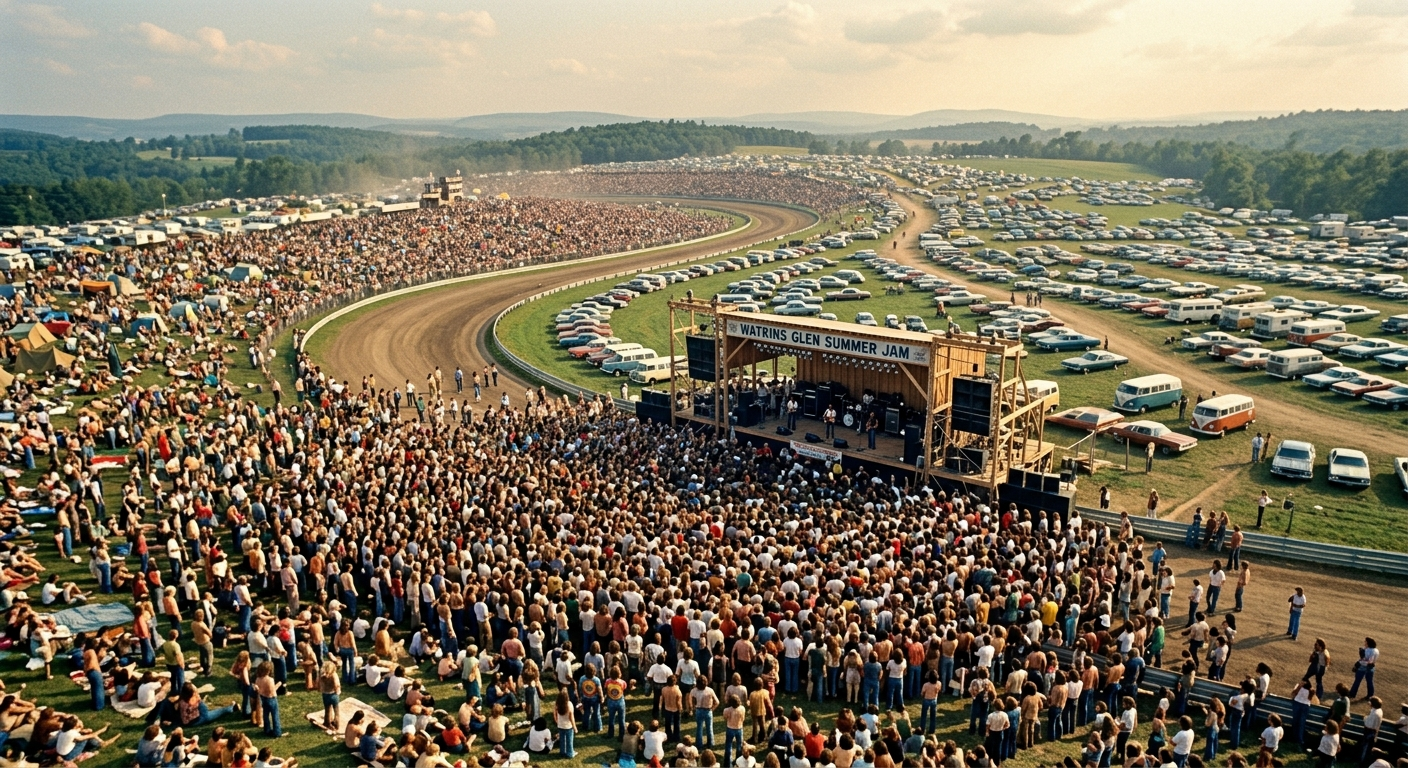
On July 28, 1973, something genuinely uncontrollable happened at Watkins Glen International Raceway in New York. Promoters had organized a rock festival — The Grateful Dead, The Band, and the Allman Brothers headlining — and expected a big crowd. What they got was nearly 600,000 people, making it the largest rock concert in history at that point, dwarfing even Woodstock. Roads seized up for miles. Infrastructure buckled. Nobody had planned for that.
Here's the thing nobody talks about: the festival still happened. The music still played. People figured it out on the ground, in real time, with the resources they had. That's not a story about perfect planning — it's a story about resilient systems and adaptable people. In software development, we talk constantly about load testing, redundancy, and scaling. But the honest truth is that your system will eventually face a Watkins Glen moment — traffic you didn't model, usage patterns you didn't predict, demand that just shows up and says "deal with me." The question isn't whether that day comes. It's whether you've built something with enough flex in it to bend without breaking.
For tech leaders, the Watkins Glen lesson is really about culture as much as architecture. The half-million unexpected guests didn't break that festival because the people running it found ways to improvise, communicate, and prioritize what mattered most — the music, the experience, the crowd's safety. When your deployment goes sideways at 2am, or your API gets hammered by traffic you never anticipated, the technical stack matters, but so does the team you've built around it. Invest in both. Design for the unexpected. And maybe, just maybe, keep the Allman Brothers on the playlist while you're at it.