69 Days Underground: What 33 Trapped Miners Taught Us About Systems Under Pressure
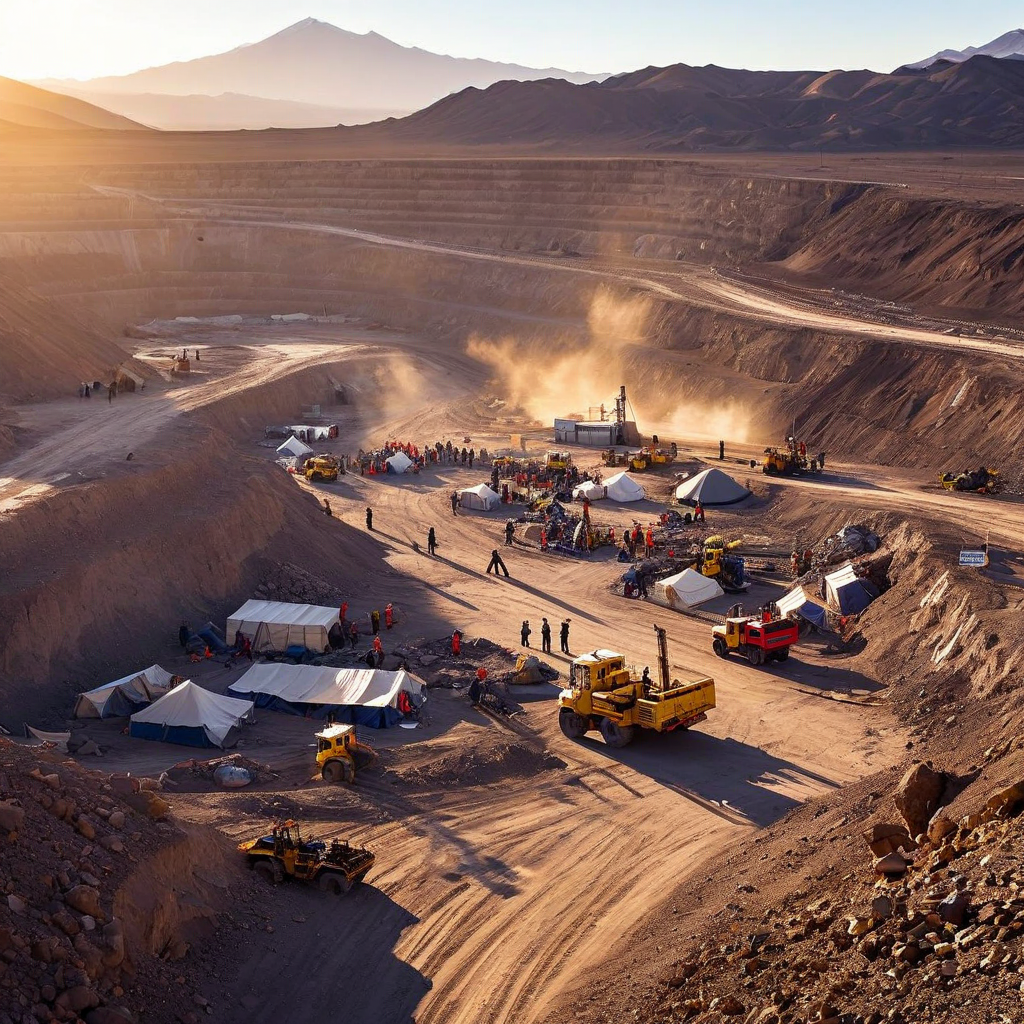
On August 5, 2010, a cave-in at the San José copper-gold mine near Copiapó, Chile buried 33 miners roughly 2,300 feet below the surface. For the first 17 days, nobody even knew if they were alive. Then a drill broke through, and a note came back up attached to the drill bit: "Estamos bien en el refugio los 33." We are well in the shelter, the 33 of us.
That moment — that tiny note attached to a drill bit — is worth sitting with for a second. The miners hadn't panicked and scattered. They had rationed two days of emergency food across 17 days, established a chain of command, divided responsibilities, and kept each other functional in total darkness. When the outside world finally made contact, engineers, NASA consultants, and drilling experts from multiple countries coordinated one of the most complex real-time rescue operations ever attempted. They drilled three simultaneous rescue shafts to improve their odds, invented a custom escape capsule called the Fénix, and ultimately brought all 33 men to the surface 69 days later. Zero casualties. Every decision made under enormous uncertainty, with incomplete information, and with lives literally on the line.
Here's why this story matters to anyone building software systems or leading a tech team: your system will fail eventually. A database goes down, a deploy breaks production, a key team member leaves at the worst possible time. The miners didn't survive because the mine was perfectly engineered — they survived because of how they responded after the failure. They triaged ruthlessly, communicated clearly, and trusted the process even when the outcome was uncertain. The rescue team on the surface did the same: they didn't wait for a perfect plan, they ran multiple parallel approaches and adapted as new information came in. That's not just crisis management. That's just good engineering culture. Build teams that know how to send the note up the drill bit — calm, clear, and together.