90,185 Witnesses: What the 1999 Women's World Cup Teaches Us About Building for Scale
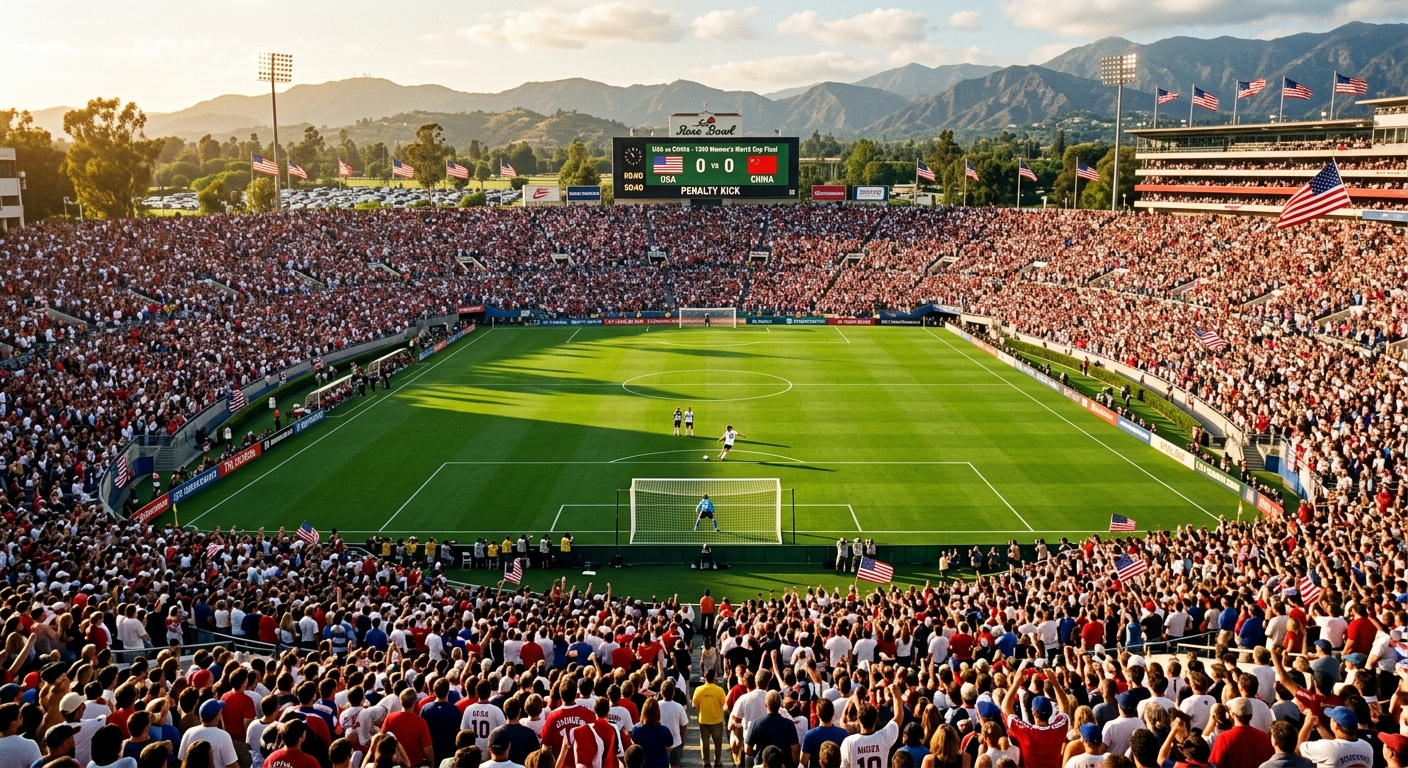
On July 10, 1999, the United States women's soccer team defeated China in a penalty shootout at the Rose Bowl in Pasadena, California. The crowd that showed up? 90,185 people. At the time, it was the largest audience ever assembled to watch a women's sporting event — anywhere, ever. Nobody in charge of planning that tournament fully anticipated that kind of demand.
That's the part that sticks with me from a tech and business perspective. The infrastructure, the venue, the broadcast deals — they were designed for a successful tournament. But what actually showed up was a movement. There's a lesson in that for anyone building a product or a platform: sometimes your users will surprise you, and the question isn't whether you predicted the scale — it's whether you built something flexible enough to handle it when it arrived. Scalability isn't just a server conversation. It's a mindset. Are your processes, your team, your systems designed to bend without breaking when demand exceeds your best-case scenario?
The other thing worth noting is that the 1999 Women's World Cup didn't build its audience overnight. That team had been grinding for years, playing in near-empty stadiums, quietly getting better. The 90,185 fans at the Rose Bowl were the result of compounded effort — not an overnight viral moment. In tech, we're obsessed with the launch day spike. But the real story is almost always the long game: consistent delivery, steady improvement, trust built over time. When you do that work right, one day you look up and the stadium is full.