From "Test Mode" to Real Deal: What STS-5 Teaches Modern Tech Teams
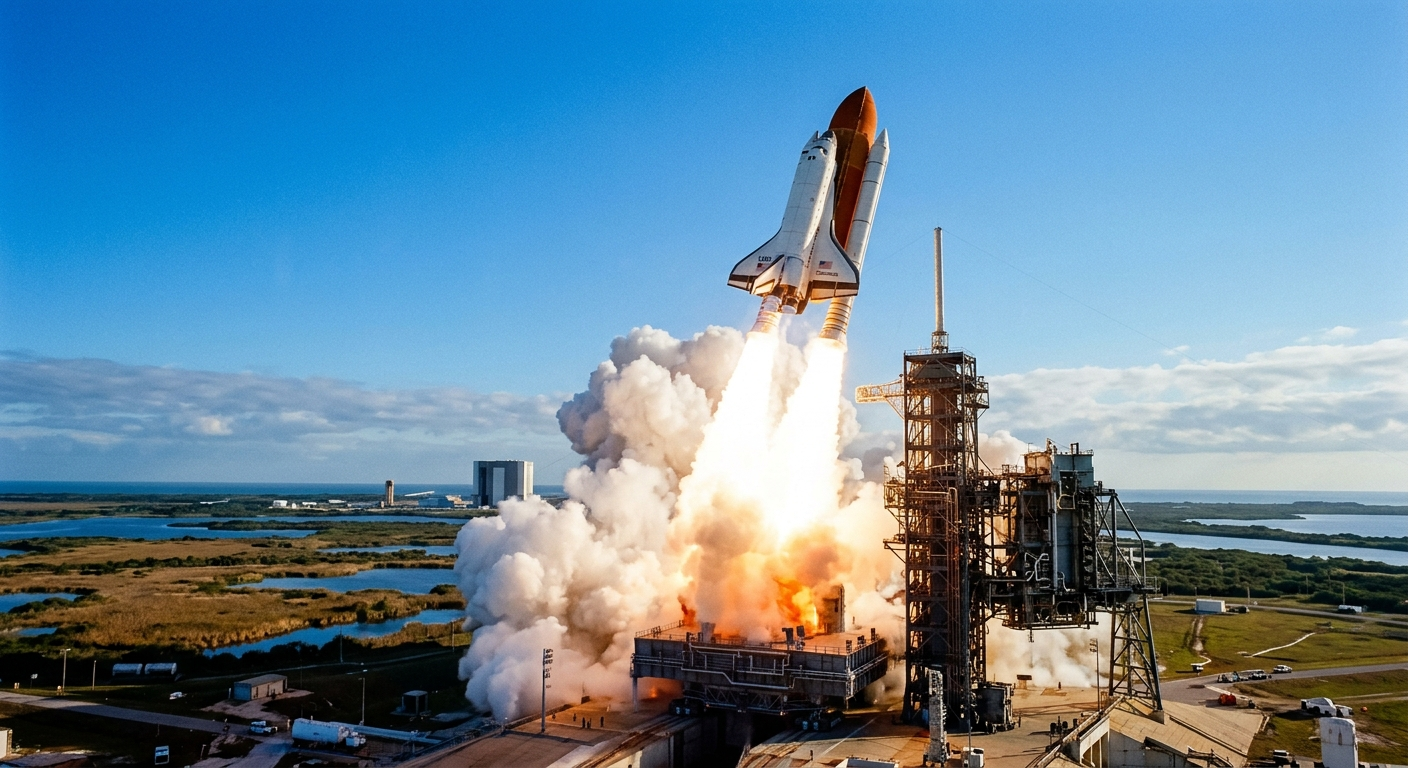
On November 11, 1982, Space Shuttle Columbia lifted off from Kennedy Space Center on mission STS-5 — and it was a bigger deal than just another launch. The four previous shuttle missions had all been test flights, with engineers watching every bolt and sensor like nervous parents. STS-5 was different. NASA officially declared the shuttle operational. Real crew of four. Real commercial payloads. The training wheels were off. It's the kind of moment every tech team eventually faces: the shift from "we're still testing" to "this is live, and it matters."
There's a temptation in software development — and honestly in any technical project — to stay in "beta" forever. Another sprint, another round of QA, another stakeholder review. STS-5 is a reminder that at some point, the mission requires you to commit. NASA didn't have a perfect shuttle in 1982. They had a ready enough shuttle, backed by rigorous process, smart people, and the courage to call it operational. The difference between teams that ship and teams that stall is rarely technical capability — it's the willingness to plant the flag and say we're going.
What does "operational" look like for your team or your product? It's worth asking honestly. If you've been circling the launch pad on a project — refining, iterating, but never truly committing — maybe today's the day to light the engines. The payload doesn't get delivered from the hangar.