Every Passenger Walked Away: What China Airlines Flight 120 Teaches Us About Systems That Fail Safely
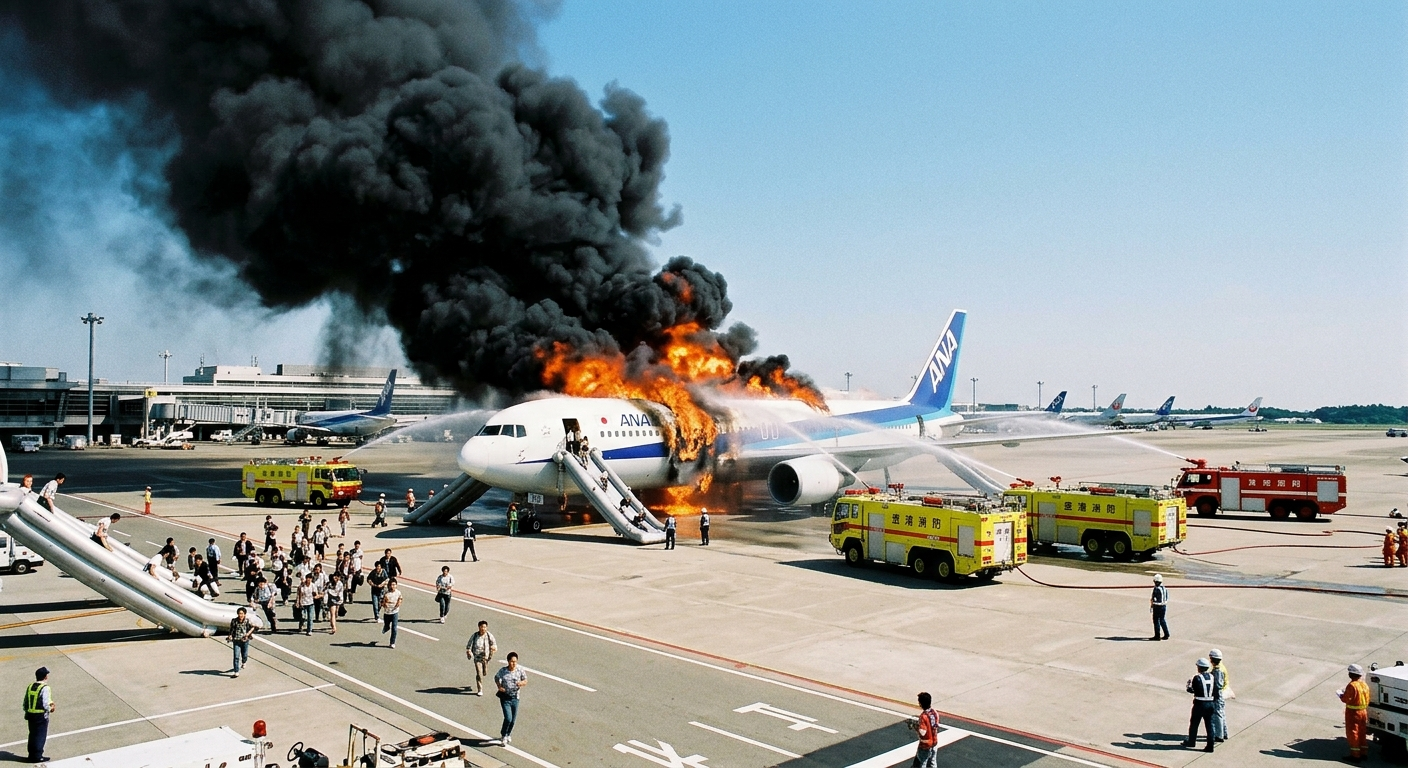
On August 20, 2007, China Airlines Flight 120 landed at Naha Airport in Okinawa, Japan — and then promptly caught fire and exploded into a massive fireball on the tarmac. It sounds like a disaster story. It wasn't. All 165 people on board evacuated safely before the plane was consumed entirely by flames.
Let that sink in for a second. The aircraft was destroyed. And everyone lived. That doesn't happen by accident. It happened because of layered safety systems, crew training that was drilled until it was instinctive, clear escalation protocols, and an evacuation process that didn't require anyone to stop and debate what to do next. When the moment came, the system worked — even as the hardware failed catastrophically around it. Investigators later traced the fire to a maintenance bolt that had punctured a fuel tank during landing. A tiny thing. A cascading consequence. And yet, the response system held.
There's a massive lesson here for anyone building software, leading a tech team, or running a business. We spend enormous energy trying to prevent failures — and that's right and good. But the organizations that truly earn trust are the ones that also invest in failing safely. What's your incident response plan? Are your runbooks actually practiced, or just written down somewhere gathering digital dust? Does your team know, without hesitation, who calls what and when? The plane was lost on that runway in Okinawa. The mission — getting everyone home — was not. Build systems robust enough to survive the bolt you didn't see coming.