First Ride on the Moon: What Apollo 15's Lunar Rover Teaches Us About Shipping Bold Features
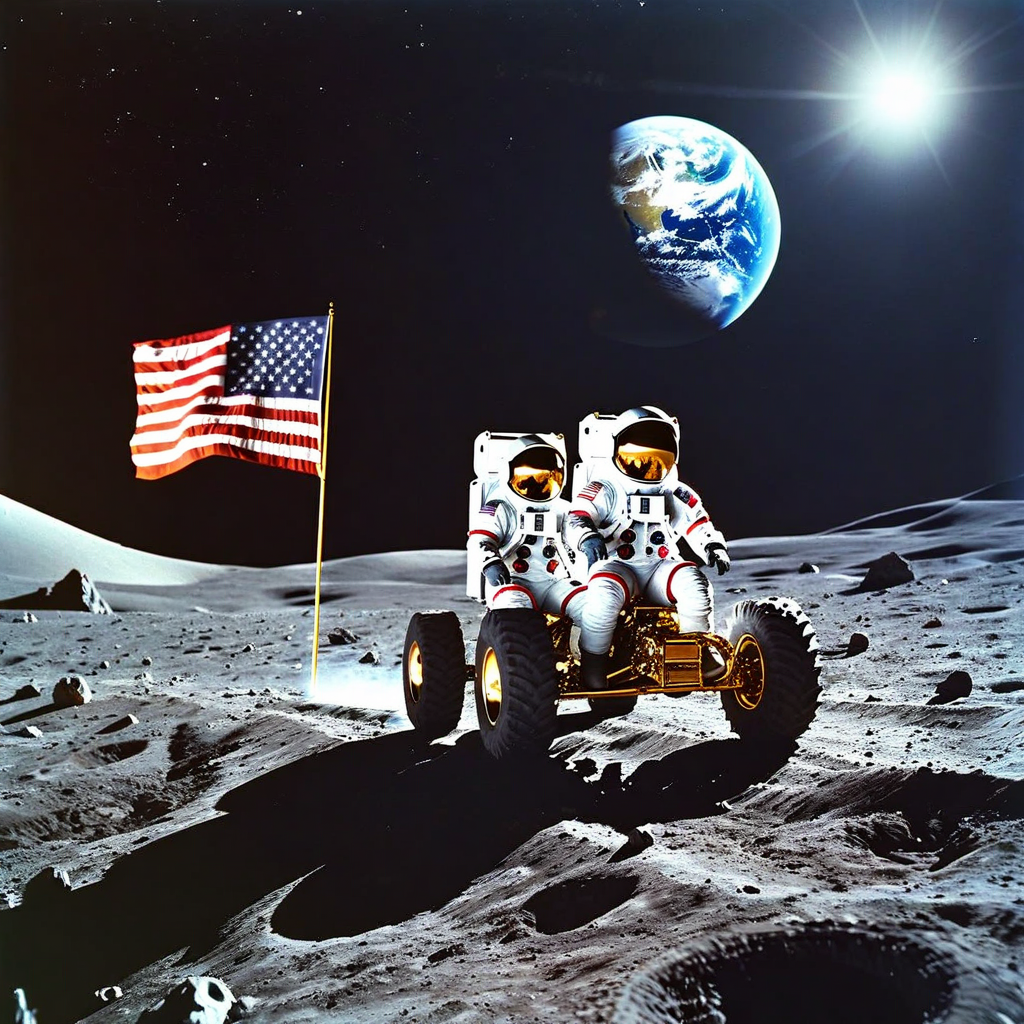
On July 31, 1971, astronauts David Scott and James Irwin did something no human being had ever done — they climbed into a vehicle and drove it on the Moon. The lunar roving vehicle, or "Moon buggy," had been folded up and tucked into the side of the lunar module for the journey. Once unfolded, it let the Apollo 15 crew explore nearly 28 kilometers of lunar terrain that would have been completely unreachable on foot. The whole thing sounds almost absurd when you say it out loud. Engineers designed a car specifically to be driven on another world, and it worked perfectly on the first try.
Here's what strikes me about that: the lunar rover wasn't part of the original Apollo vision. It was added because someone asked the uncomfortable question — "What if we could do more while we're already there?" The engineering team had to solve problems nobody had ever solved before: How do you build wheels that grip lunar dust? How do you fold a vehicle small enough to fit in a rocket, then unfold it reliably 238,000 miles from the nearest repair shop? Every constraint was extreme, and the margin for error was essentially zero. Yet they shipped it. In software and tech consulting, we face our own version of this all the time — the feature that seems too complex, the integration that seems too risky, the rebuild that seems too ambitious. The rover is a great reminder that "we've never done this before" is a description of the opportunity, not a reason to pass on it.
The bigger lesson for teams building products today is about intentional scope expansion. NASA didn't add the rover carelessly — it was a deliberate, well-engineered bet that the added complexity was worth the expanded capability. The mission came back with 77 kilograms of lunar samples, far more than any previous Apollo mission. When you're deep in a project, it's worth pausing to ask: is there a rover we haven't thought to bring? Is there a feature, a tool, or an approach that requires more upfront investment but dramatically multiplies the value we deliver? Sometimes the boldest move is the one that makes everything else you've already built worth so much more.