First Try, Mars: What India's 2014 Space Mission Teaches Us About Shipping Right the First Time
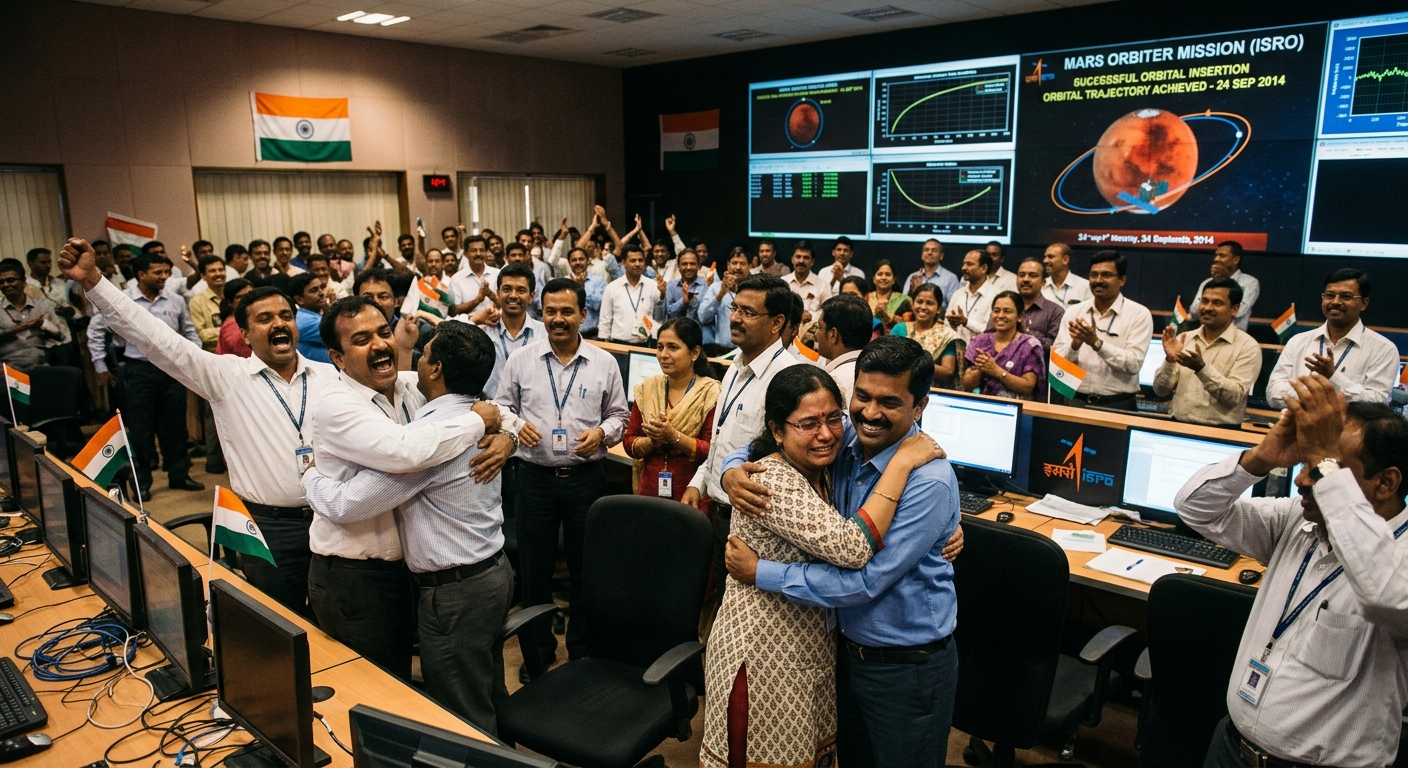
On September 24, 2014, the Indian Space Research Organisation (ISRO) did something no space agency had ever done before — they reached Mars orbit on their first attempt. The Mars Orbiter Mission, nicknamed Mangalyaan, didn't just make India the first Asian nation to reach Mars. It made them the first nation in world history to nail it in a single shot. The United States, Russia, Europe — all took multiple tries. ISRO did it with a budget of roughly $74 million, less than the production budget of the movie Gravity that released the same year.
What made Mangalyaan so remarkable wasn't just the destination — it was the discipline behind the journey. ISRO worked within tight constraints, made ruthlessly smart decisions about what to prioritize, and refused to let perfect be the enemy of done. Sound familiar? That's the same mindset that separates good software teams from great ones. It's not always the team with the biggest cloud budget or the largest headcount that ships the best product. It's the team that understands exactly what they're trying to accomplish, plans with precision, and trusts their process when the pressure is on. Constraints, it turns out, breed creativity.
There's also something worth sitting with here about the power of a clear, singular goal. ISRO wasn't trying to do everything at once — they were trying to get to Mars. In tech consulting, we see teams struggle constantly with scope creep, shifting priorities, and the temptation to build every feature before launching anything. Mangalyaan is a 10-year-old reminder that defining your mission clearly, executing with focus, and having the courage to launch is often worth more than waiting until everything is theoretically perfect. What's the "Mars orbit" for your next project? Start there.