Float Like a Cosmonaut: What Microgravity Taught Us About Letting Go of the Handrails
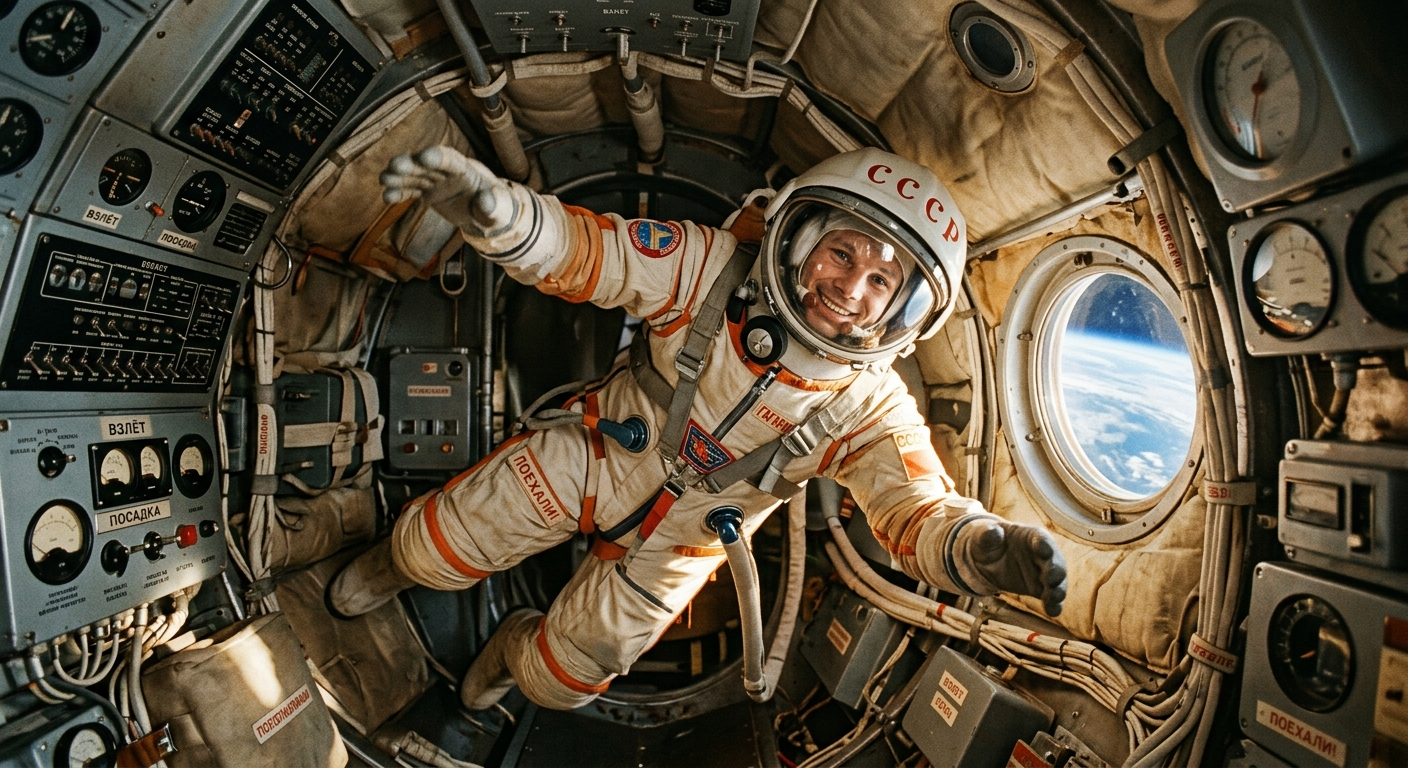
On August 11, 1962, Soviet cosmonaut Andrian Nikolayev did something no human had ever done before — he unstrapped himself inside the Vostok 3 capsule and simply... floated. No tether, no support, no floor beneath his feet. He became the first person in history to experience free-floating microgravity. It lasted only a few minutes, but those minutes changed how we understood human potential in space. Nobody knew for certain what would happen. Would he panic? Would his body cope? He just had to let go and find out.
There's something quietly powerful about that image that maps almost perfectly onto the experience of building software or leading a tech team. So much of what we do is about removing the handrails at the right moment — shipping a product before it feels 100% ready, trusting a junior developer to own a feature end-to-end, or pitching a solution to a client when you don't have every answer locked down. The organizations that grow are the ones that learn to function without constant rigid support structures. Agility isn't a buzzword; it's literally the discipline of knowing when to unstrap and float. Nikolayev didn't have a safety net — he had preparation, mission architecture, and a team on the ground who had done everything they could before that moment came.
The part that often gets overlooked? Vostok 3 was also orbiting simultaneously with Vostok 4, making it the first-ever group spaceflight. Two crafts. Two pilots. Coordinated in parallel. That's systems thinking at its finest — not one heroic individual floating alone, but interconnected teams moving together toward a shared objective. If you're building something meaningful right now, that's your blueprint. Do the groundwork, trust your people, let go of the handrails at the right moment, and make sure you're not flying solo when you don't have to be.