From East to West: What Hungary's 1989 Open Border Teaches Us About Removing Barriers
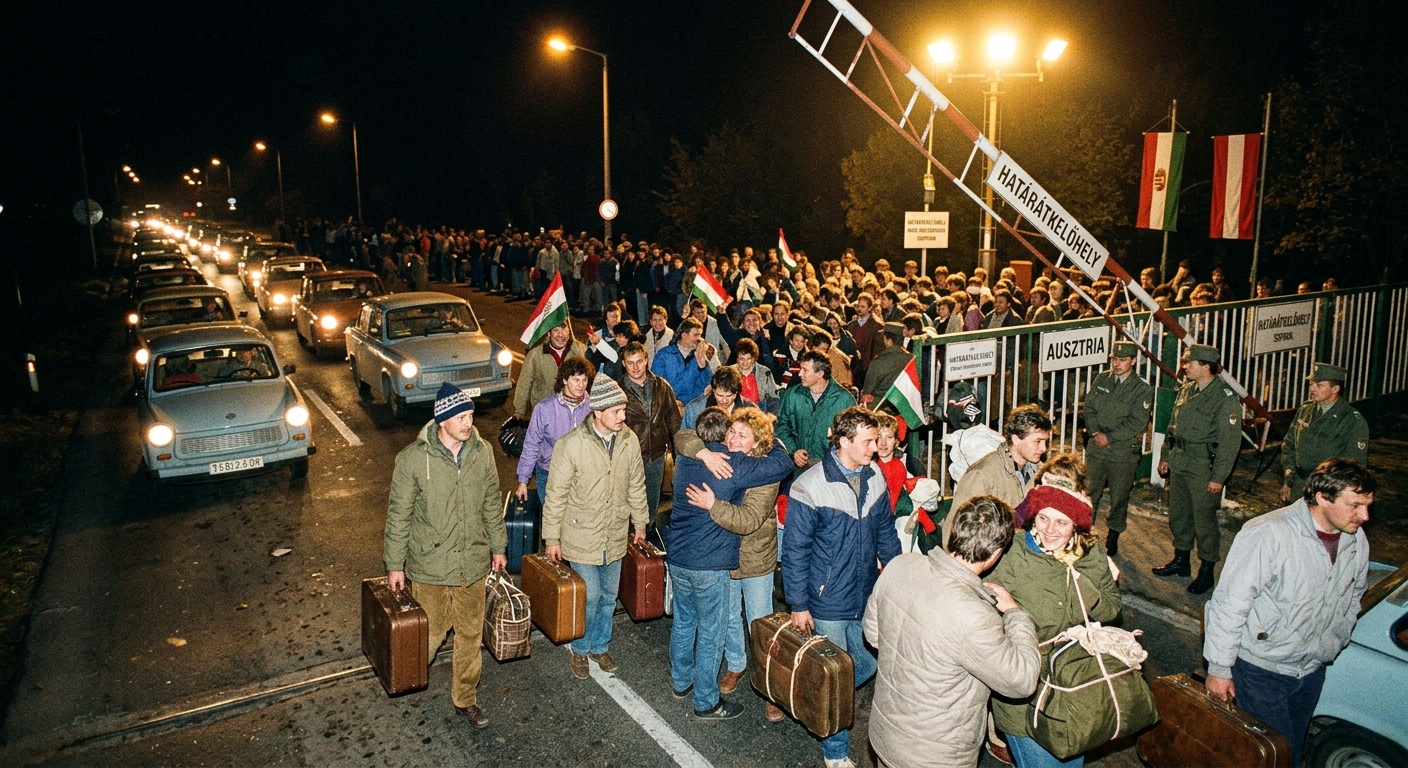
On September 11, 1989, Hungary did something quietly revolutionary. It announced that the thousands of East German refugees who had been living in makeshift camps — having fled to Hungary hoping for a way out — were free to cross into West Germany. No more waiting. No more bureaucratic limbo. Hungary essentially removed a gate, and history walked through it. Within weeks, the Berlin Wall itself would fall. Sometimes the most consequential decision isn't building something new — it's choosing to stop blocking what's already trying to move.
In tech and business, we talk a lot about building: new features, new systems, new processes. But some of the most impactful work is about unblocking. Think about the legacy approval chain that slows your deployments to a crawl, or the three-meeting requirement before any engineer can make a minor infrastructure change. These friction points feel like caution, but they're often just old fear wearing a policy badge. Hungary's decision wasn't reckless — it was a calculated recognition that the old system was already broken, and that holding the gate shut was causing more damage than opening it. That kind of honest assessment takes real courage in any organization.
As a tech leader or business owner, it's worth asking yourself this week: what's the gate you're keeping closed out of habit rather than necessity? Maybe it's a cumbersome onboarding process, a permission structure that bottlenecks your best people, or a legacy tool nobody loves but everyone tolerates. The engineers, the ideas, and the momentum are often already there — waiting. On September 11, 1989, one small country changed the course of modern history by simply stepping aside. Your gate might not be that dramatic, but the people on the other side of it are ready to move.