Houston, We Have a Launch: What Phoenix Mars Lander Teaches Us About Shipping With Purpose
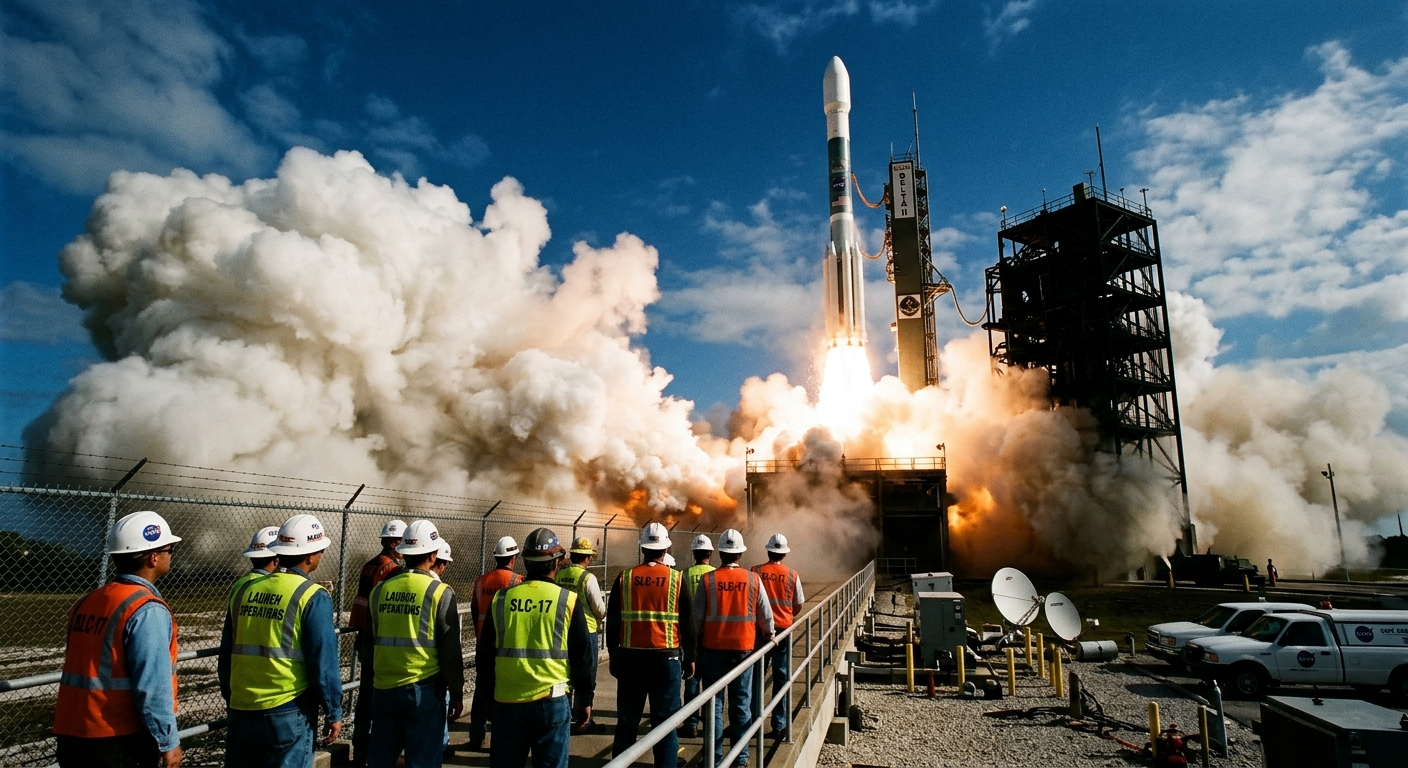
On August 4, 2007, NASA launched the Phoenix Mars lander from Cape Canaveral. It traveled 422 million miles over ten months, landed in the Martian arctic, and successfully confirmed the presence of water ice on Mars. Not bad for a project that took years of planning, involved thousands of engineers, and had exactly zero opportunity for a hotfix once it left the ground.
Think about that last part for a second. When Phoenix launched, the team couldn't patch it. They couldn't push an update if something broke mid-flight. They had to trust the work — the architecture decisions, the testing, the edge cases they'd thought through at 2am in some JPL conference room. There's something both terrifying and clarifying about that kind of constraint. In software, we sometimes use the endless ability to iterate as a reason to under-think the original build. Phoenix is a reminder that thorough planning and honest testing aren't just "best practices" — they're what separates a successful landing from a crater.
There's also something worth sitting with in the timeline. Phoenix didn't launch and arrive the same week. The team worked for years knowing the payoff was distant and uncertain. A lot of the most meaningful technical work is like that — infrastructure you won't appreciate for two years, a codebase refactor that slows you down before it speeds you up, a strategy that looks questionable in Q2 but brilliant by Q4. The Phoenix team trusted their process enough to stay the course across a very long arc. That kind of patience isn't passive — it's one of the hardest and most valuable skills in tech leadership. Today, think about one long-game decision you've been second-guessing. It might already be 422 million miles into a very good trajectory.