India Shoots for the Sun: What ISRO's Aditya-L1 Launch Teaches Us About Audacious Goals
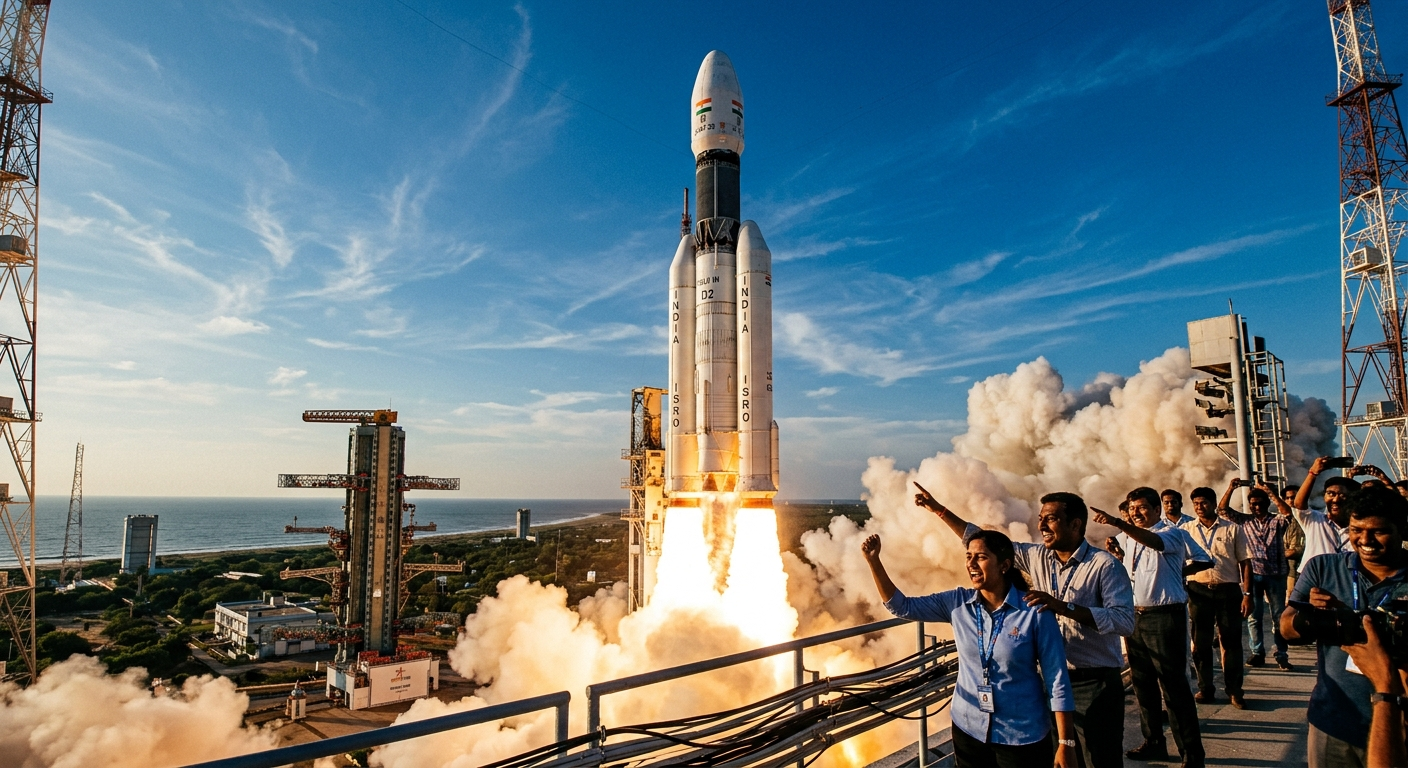
On September 2, 2023, the Indian Space Research Organisation did something remarkable — they launched Aditya-L1, India's first dedicated solar observation spacecraft, from the Satish Dhawan Space Centre. The mission's goal? To park a satellite nearly 1.5 million kilometers from Earth at a gravitational sweet spot called Lagrange Point 1, and stare at the Sun continuously, studying its behavior in ways never before possible from Indian-built hardware. For a space program that operates on a fraction of NASA's budget, it's the kind of swing that makes you stop and pay attention.
What strikes me about ISRO's story isn't just the technical achievement — it's the philosophy behind it. They've consistently done more with less, finding creative engineering solutions where others would simply throw money at the problem. Sound familiar? That's the same mindset that separates great software teams from bloated ones. The best solutions rarely come from the biggest budgets. They come from clearly defined constraints, sharp focus, and a team that genuinely believes the goal is worth chasing. Whether you're building a solar observatory or a client's new platform, the question is the same: are you solving the right problem, relentlessly?
There's also something worth noting about the name itself — Aditya is the Sanskrit word for the Sun. ISRO didn't name this mission after a bureaucratic acronym or a number. They named it after what they were actually going after. That kind of clarity of purpose has a way of rallying people. In tech leadership and consulting, we sometimes bury our real goals under layers of project management language. But when your team knows exactly what they're aiming for — when the mission has a name — that energy shows up in the work. What's your team's Aditya right now?