Nuclear Detonation at 400 Miles Up: What Starfish Prime Teaches Us About Unintended Consequences
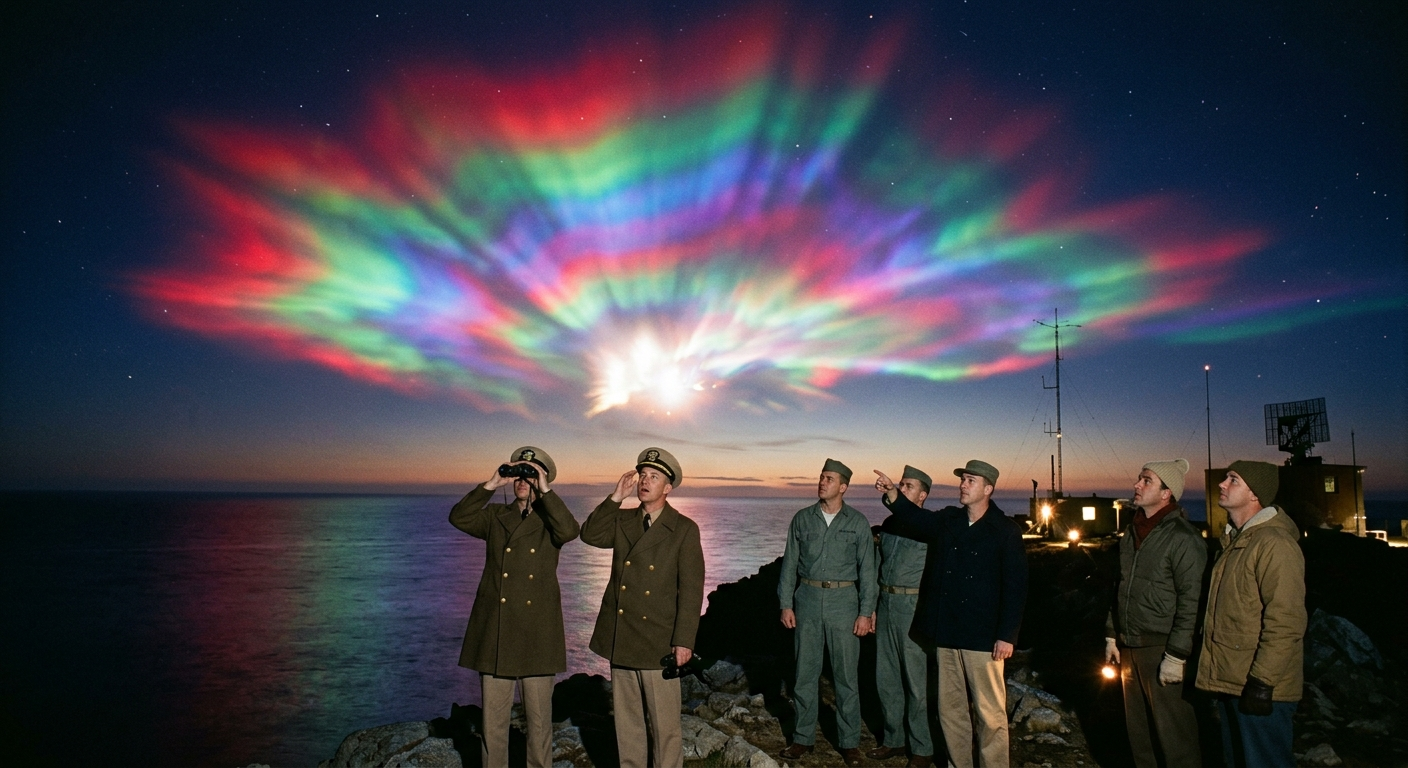
On July 9, 1962, the United States detonated a 1.4 megaton nuclear warhead roughly 400 kilometers above the Pacific Ocean as part of a high-altitude nuclear test called Starfish Prime. The goal was to understand how nuclear explosions behave in space. What nobody fully anticipated was what happened next: the electromagnetic pulse and trapped radiation disabled or damaged at least seven satellites in low Earth orbit — including some American ones — and the resulting artificial radiation belt lingered in space for years. Oh, and people in Hawaii, 1,400 kilometers away, watched their street lights flicker out and their burglar alarms spontaneously trigger from the electromagnetic surge. The test "worked." It also broke things nobody meant to break.
This is one of the most honest metaphors for software deployment I've ever come across. How many times have you shipped a feature, confident in what it was supposed to do, only to watch something completely unrelated start behaving strangely two days later? A database query you didn't touch suddenly slows down. A third-party integration starts throwing errors. A microservice that had nothing to do with your release is quietly logging exceptions in the corner. The blast radius of your changes almost always extends further than your test suite covers — and that's not necessarily a failure of intelligence or effort. It's a failure of assumptions. The engineers behind Starfish Prime weren't incompetent; they just didn't have a complete map of the system they were operating in.
The real lesson here isn't "be more careful" — it's invest in understanding your environment before you pull the trigger. Modern observability tools, staged rollouts, feature flags, and chaos engineering all exist because smart teams learned, sometimes the hard way, that systems are deeply interconnected in ways documentation doesn't capture. Before your next big release, ask yourself: what's the equivalent of Hawaii in your architecture? What's sitting out there, seemingly unrelated, that could go dark when you flip the switch? The teams that answer that question before deployment are the ones who sleep well on release night.