Second Chances in Space: What a 1988 Shuttle Launch Teaches Us About Bouncing Back
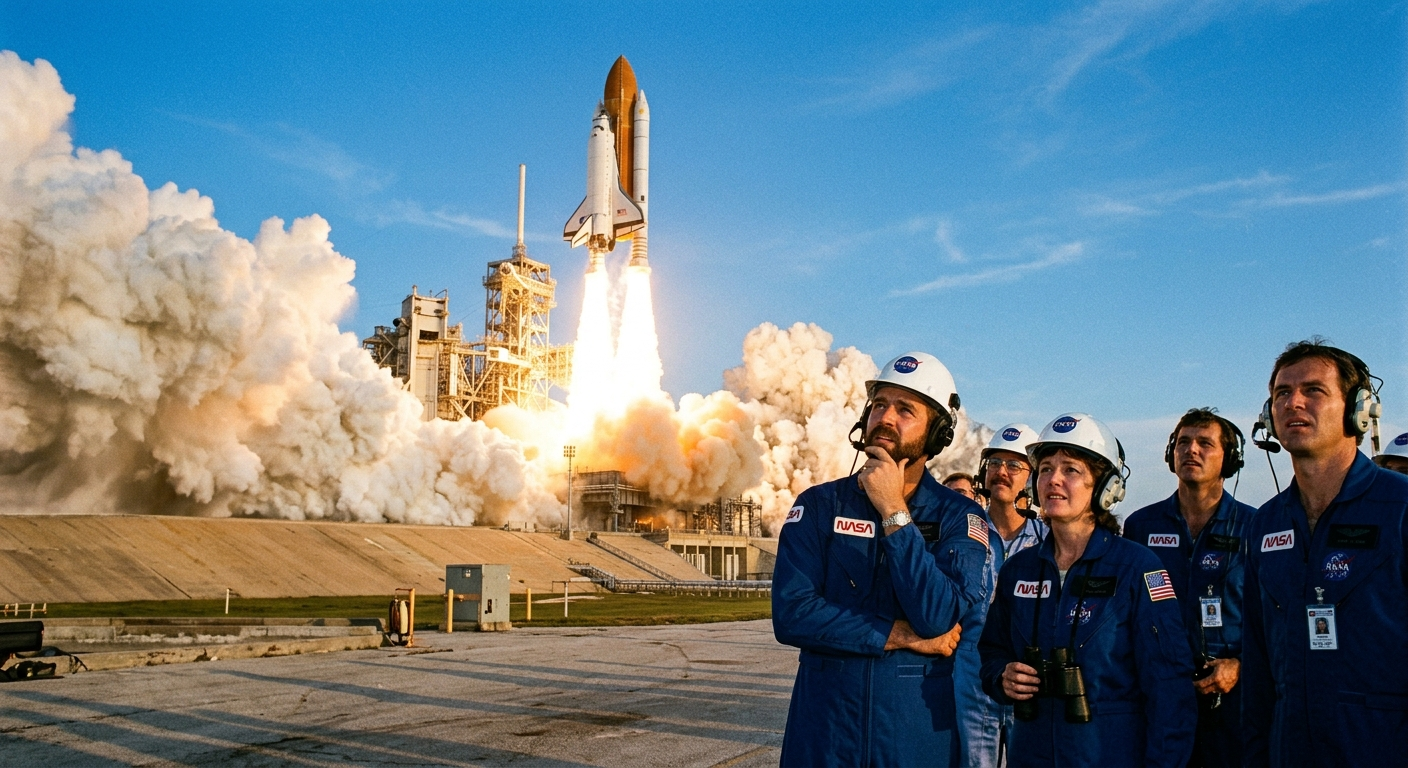
On September 29, 1988 — nearly three years after the Challenger disaster shook NASA and the world — the Space Shuttle Discovery lifted off the launchpad. The mission was called STS-26, but inside NASA, everyone knew it by a different name: the Return to Flight. The agency had spent 32 months tearing apart everything it thought it knew, rebuilding processes, redesigning hardware, and — perhaps hardest of all — rebuilding its own confidence. When that shuttle finally cleared the tower, there wasn't just fire underneath it. There was three years of hard-won humility.
Here's what strikes me about that moment: NASA didn't rush it. After Challenger, the pressure to get back out there fast must have been enormous — from the public, from Congress, from pride. But they chose thoroughness over speed. They did the painful post-mortem, listened to voices that had been ignored before the accident (engineers had flagged the O-ring risks), and changed their culture, not just their parts. That's an incredibly difficult thing for any organization to do, and it's just as relevant in a software shop or a tech startup as it is at a space agency. How many times have we seen a product launch fail, a system go down, a project implode — and the response is to just patch it and move on as fast as possible? The real growth happens when you slow down to actually understand what went wrong.
The other thing worth noting: the crew of STS-26 knew the risks and flew anyway. That's not recklessness — that's informed courage. In tech, we talk a lot about "failing fast," but what we really want is learning fast and then acting with confidence. Whether you're shipping a new feature after a major bug, re-pitching a client after a lost contract, or rebuilding a team after a rough stretch, the STS-26 story is a reminder that returning to flight is possible. It just takes honesty, patience, and the willingness to do the hard work before you hit the ignition switch again.