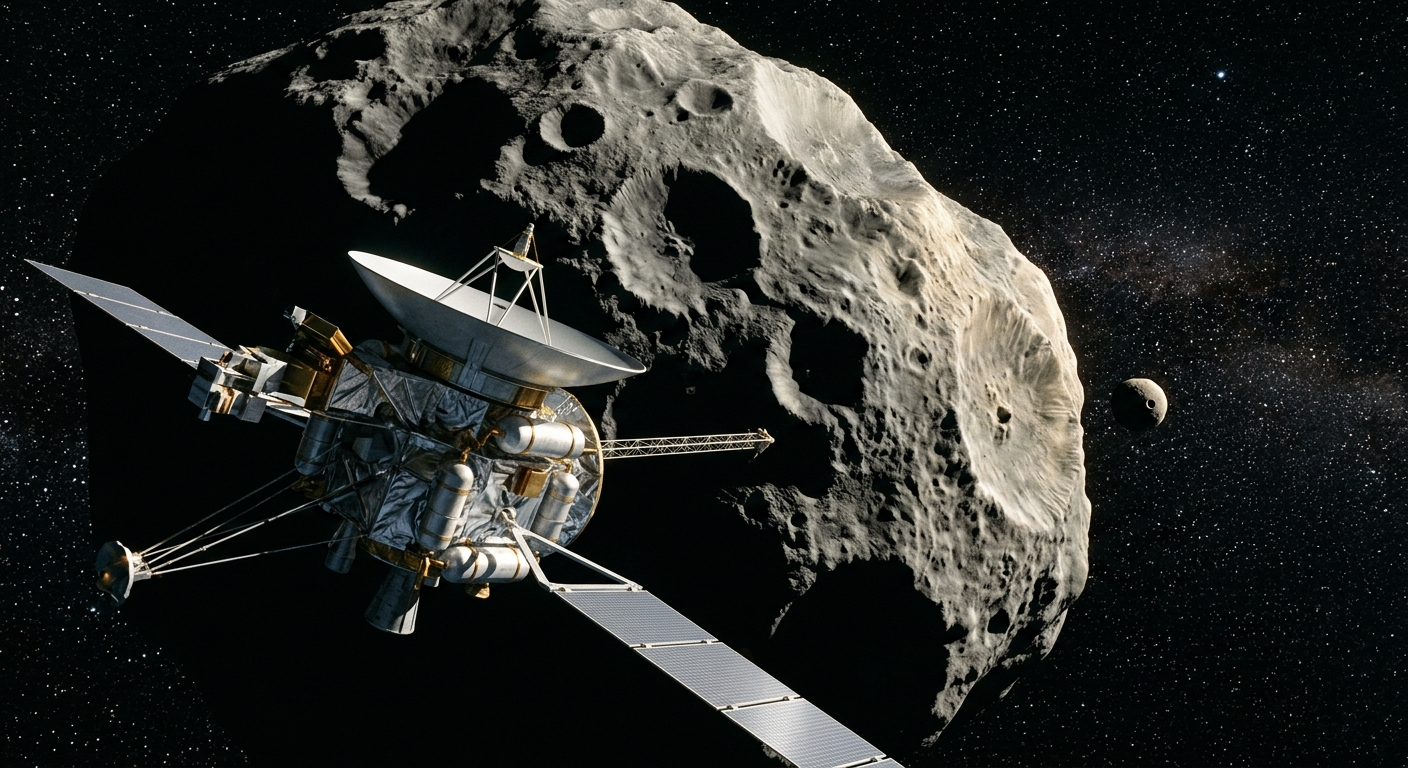
The Asteroid Had a Moon — And Nobody Knew Until They Looked at the Photos
On August 28, 1993, NASA's Galileo probe zipped past a modest asteroid called 243 Ida on its long journey toward Jupiter. The flyby was almost a bonus — a convenient target of opportunity on the way to the main mission. Scientists snapped some photos, logged the data, and moved on. Then, weeks later, when researchers actually sat down to analyze the images, they spotted something completely unexpected tucked in next to Ida: a tiny orbiting moon, later named Dactyl. It was the first confirmed moon ever discovered around an asteroid, and it had been hiding in photos that already existed.
That detail — it was already in the data — is worth sitting with for a minute. Nobody sent a follow-up mission. Nobody had a breakthrough in the lab. Someone just looked carefully at what they already had. In software and tech, we're often so focused on collecting more — more metrics, more user feedback, more features, more integrations — that we forget to actually interrogate what's sitting in front of us. Some of the most valuable insights your team could act on right now are probably already in your logs, your support tickets, or your last sprint retrospective. The discovery is waiting. The question is whether anyone's scheduled time to actually look.
There's also something encouraging about the accidental nature of it all. Galileo wasn't sent to find asteroid moons — that wasn't even a hypothesis on the table. But because the team was curious, thorough, and willing to examine the unexpected, they rewrote what we knew about our solar system. The best engineering teams and tech leaders carry that same instinct: staying open to what the data is actually saying rather than just confirming what you hoped to find. Build in the time to review, to question, to be surprised. You might just find a moon.