The Asteroid That Saw It Coming: What 2008 TC3 Teaches Us About Monitoring Your Systems
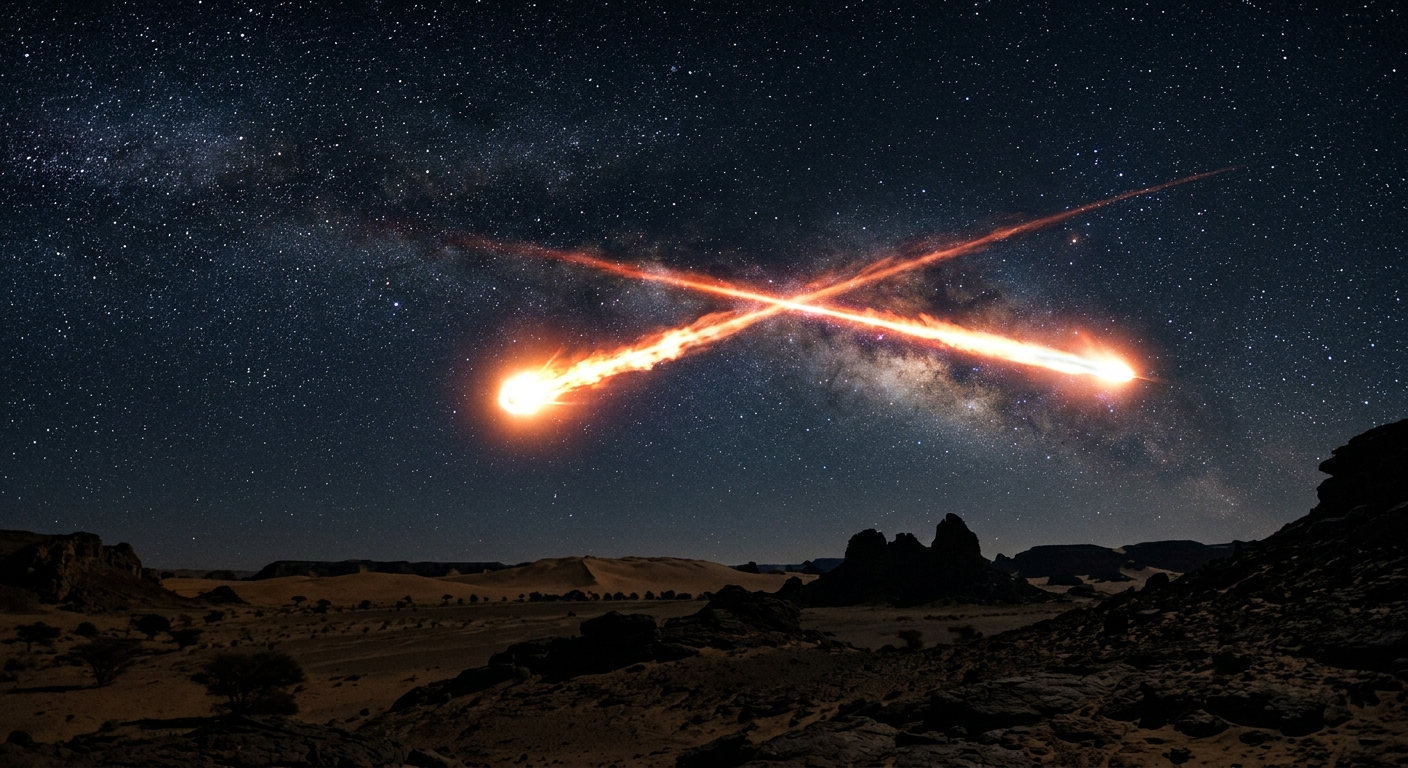
On October 7, 2008, something happened for the first time in recorded human history: scientists spotted an asteroid — later named 2008 TC3 — and knew it was going to hit Earth before it actually did. Not a close call, not a near-miss. A confirmed, tracked impact event. About 19 hours after its discovery, the 4-meter rock blazed over the Nubian Desert in Sudan and broke apart in the atmosphere right on schedule. Nobody was hurt. And the scientific community basically high-fived the universe.
Here's what makes this story so relevant to anyone building or running software systems: the asteroid didn't become less dangerous because they spotted it. It still hit. But that 19-hour heads-up meant researchers could position themselves to collect meteorite fragments, document the event, and learn from it in ways that would have been impossible if it had just shown up unannounced. That's the whole game with monitoring and observability in your tech stack. Your systems will have incidents. Something will go sideways at 2am on a Tuesday. The teams that sleep better aren't the ones who've somehow built perfect software — they're the ones who've built systems that tell them what's happening before a customer has to.
The parallel for tech leaders is pretty direct: investing in visibility isn't glamorous work. Nobody's giving out awards for a well-configured alerting dashboard. But when something breaks — and it will — that early warning window is the difference between a controlled response and a full-blown fire drill. 2008 TC3 turned a potential disaster into a scientific win purely because someone was watching the sky closely enough. What are you watching closely in your stack right now?