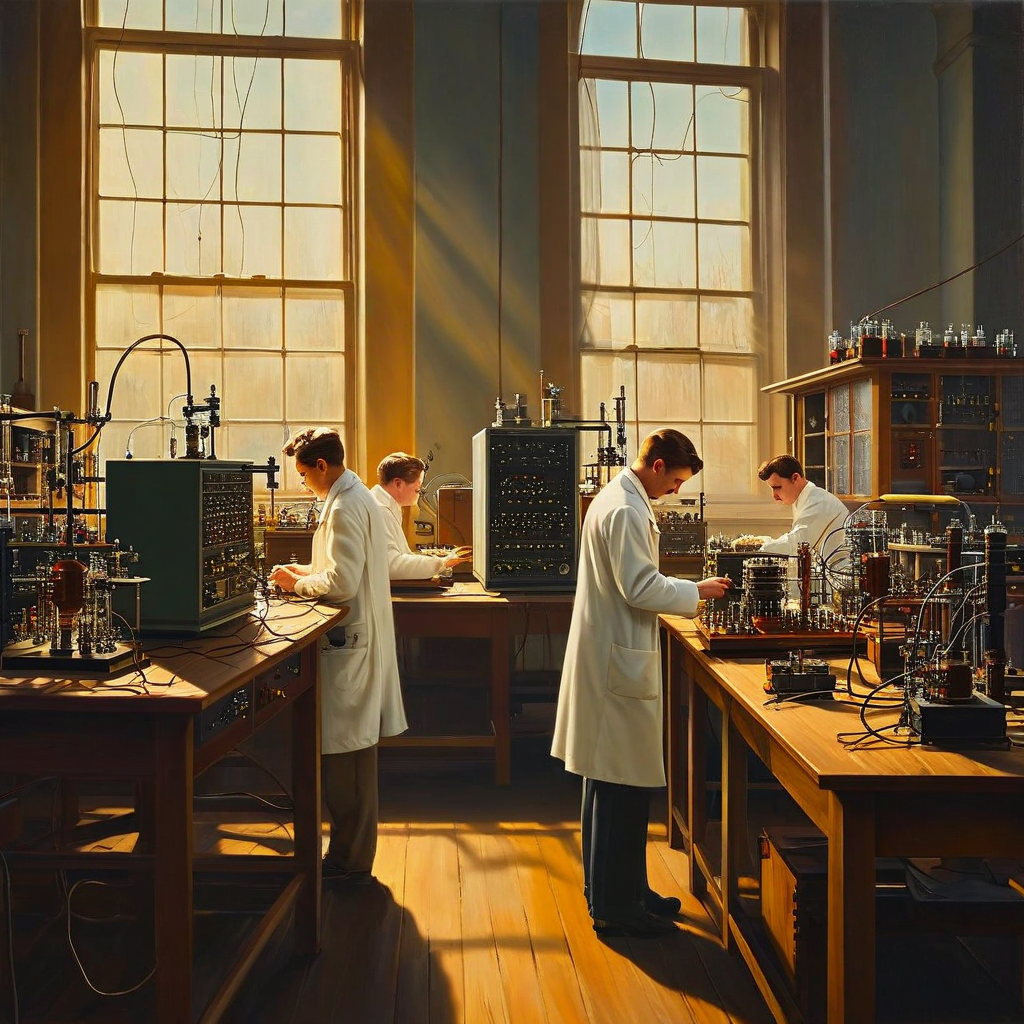
On June 15, 1995, the tech world lost John Vincent Atanasoff, the brilliant mind behind the Atanasoff–Berry Computer (ABC) – often considered the first electronic digital computer. While most people today recognize names like Jobs and Gates, Atanasoff's groundbreaking work in the 1930s and 40s laid the foundation for everything we build today.
What strikes me about Atanasoff's story is how he approached an impossible problem with fresh eyes. Frustrated by the tedious calculations required for his physics research at Iowa State, he didn't just accept the status quo. Instead, he envisioned something entirely new: a machine that could think in binary and perform calculations electronically. Working with graduate student Clifford Berry, he built the ABC using innovative concepts like electronic switching and regenerative memory – ideas that were decades ahead of their time.
The real lesson here isn't just about technical innovation – it's about persistence in the face of skepticism. Atanasoff's work was largely overlooked for years, overshadowed by more commercially successful computers. But the fundamentals he established – binary processing, electronic calculation, and stored memory – became the DNA of every system we develop today. When you're architecting that next breakthrough feature or pushing for an unconventional solution, remember that the most transformative ideas often come from those willing to question everything and build something entirely new, even if the world isn't ready to see its value yet.