The Code That Unlocked Ancient DNA: What Svante Pääbo's Nobel Prize Teaches Us About Solving "Impossible" Problems
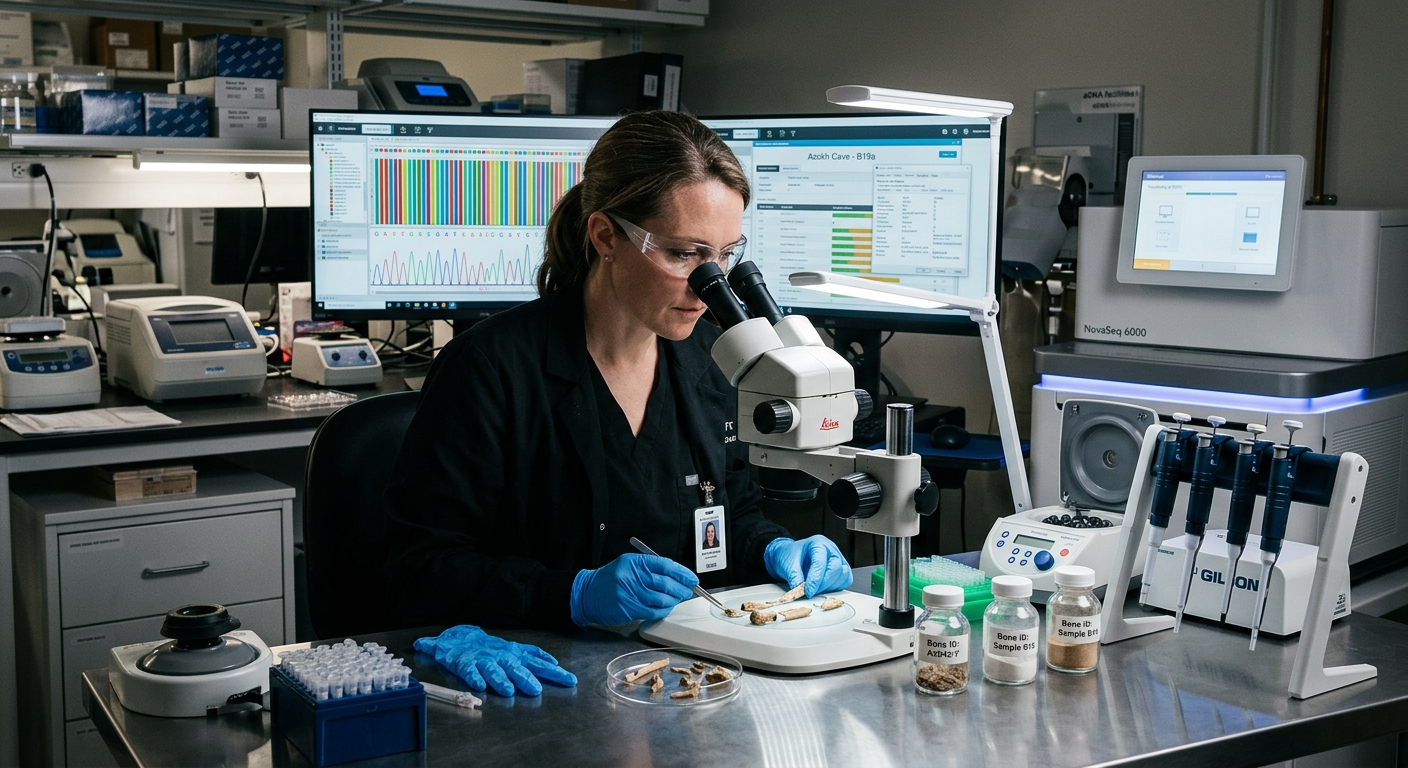
On October 3, 2022, Swedish geneticist Svante Pääbo was awarded the Nobel Prize in Physiology or Medicine for something most scientists had written off as flatly impossible: sequencing the genome of ancient, degraded DNA from Neanderthals and other early humans. The scientific community had largely accepted that ancient DNA was too fragmented, too contaminated, and too damaged to produce anything meaningful. Pääbo didn't get that memo—or he did, and ignored it.
What makes this story resonate for anyone building software or leading a tech team is the method, not just the result. Pääbo's breakthroughs didn't come from a single eureka moment. They came from developing new contamination-prevention protocols, building better sequencing tools, and iterating relentlessly on techniques that barely worked at first. Sound familiar? That's just good engineering. The "impossible" problems in your backlog—the legacy system that's a nightmare to refactor, the integration nobody wants to touch, the performance issue everyone has learned to work around—they don't stay impossible forever. They stay impossible until someone decides to care enough to build the right tool.
There's also something worth sitting with here about patience and long-term thinking. Pääbo spent decades on this work before a Nobel committee validated it. In an industry obsessed with shipping fast and moving on, his story is a quiet argument for deep investment in hard problems. Not every sprint needs a deliverable that wows the demo. Some of the most important work is the kind that quietly makes previously impossible things suddenly very, very possible.