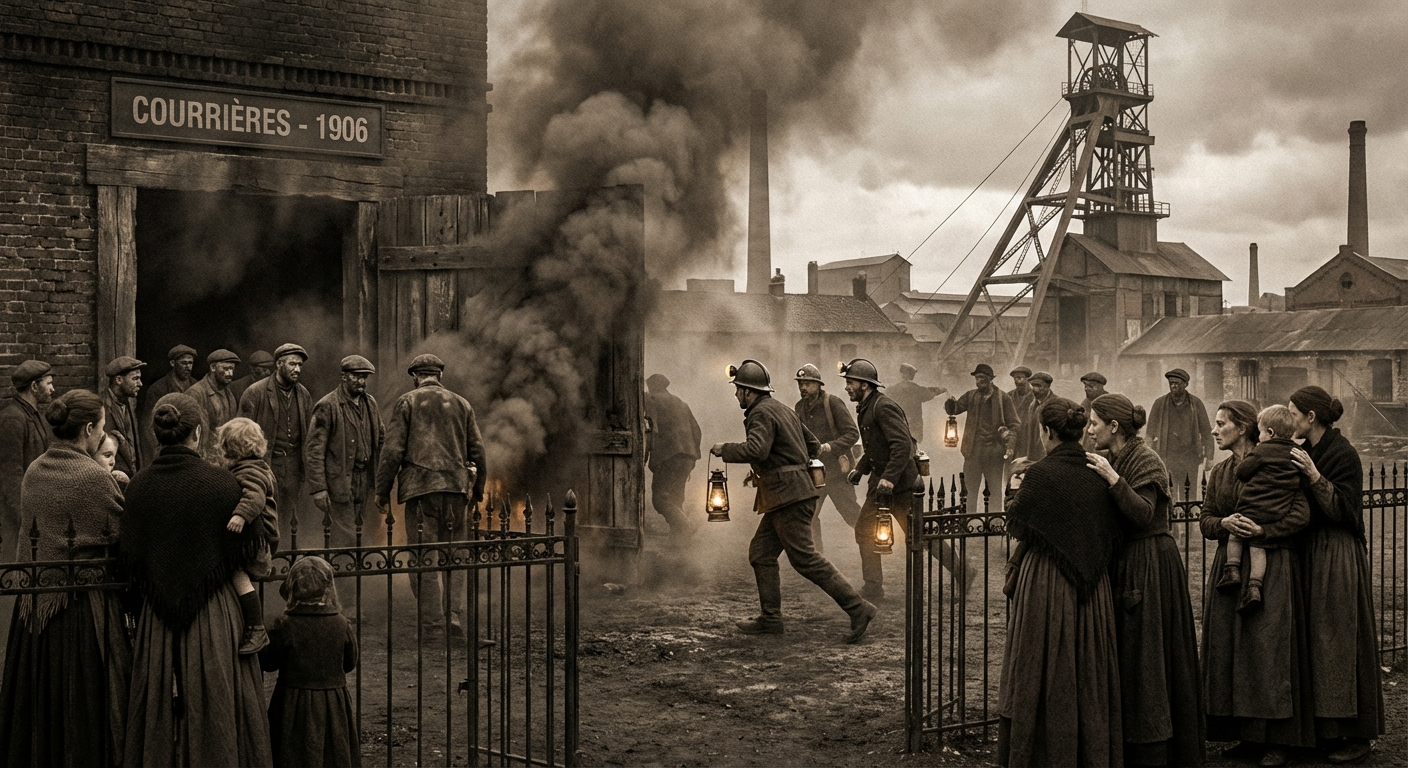
On March 10, 1906, an underground fire at the Courrières mine in northern France exploded into Europe's worst mining disaster, claiming 1,099 lives. For weeks before the catastrophe, miners had reported strange smells and small fires. Management dismissed these warnings as routine concerns. When the disaster struck, it wasn't a surprise to those working underground—it was the inevitable result of ignored red flags, prioritized profits over safety, and a culture that punished those who spoke up about problems.
Sound familiar? In tech, we face our own version of Courrières every time we push code despite failing tests, ignore security vulnerabilities because "we'll fix it later," or silence team members who raise concerns about technical debt. The scale might be different—we're not risking physical lives in most cases—but the pattern is identical. Warning signs appear. Pressure mounts to deliver. Someone decides the risk is acceptable. And sometimes, catastrophically, it isn't.
The miners who survived Courrières spent weeks trapped underground, some found alive after 20 days. Their survival came from listening to each other, respecting the dangers they faced, and refusing to ignore reality. As tech leaders and developers, we owe our teams and users the same respect. That nagging bug report, that third-party library with known vulnerabilities, that team member who keeps saying "something feels wrong about this architecture"—these are our canaries in the coal mine. The question is: are we listening, or are we too focused on the next deadline to hear the warnings?