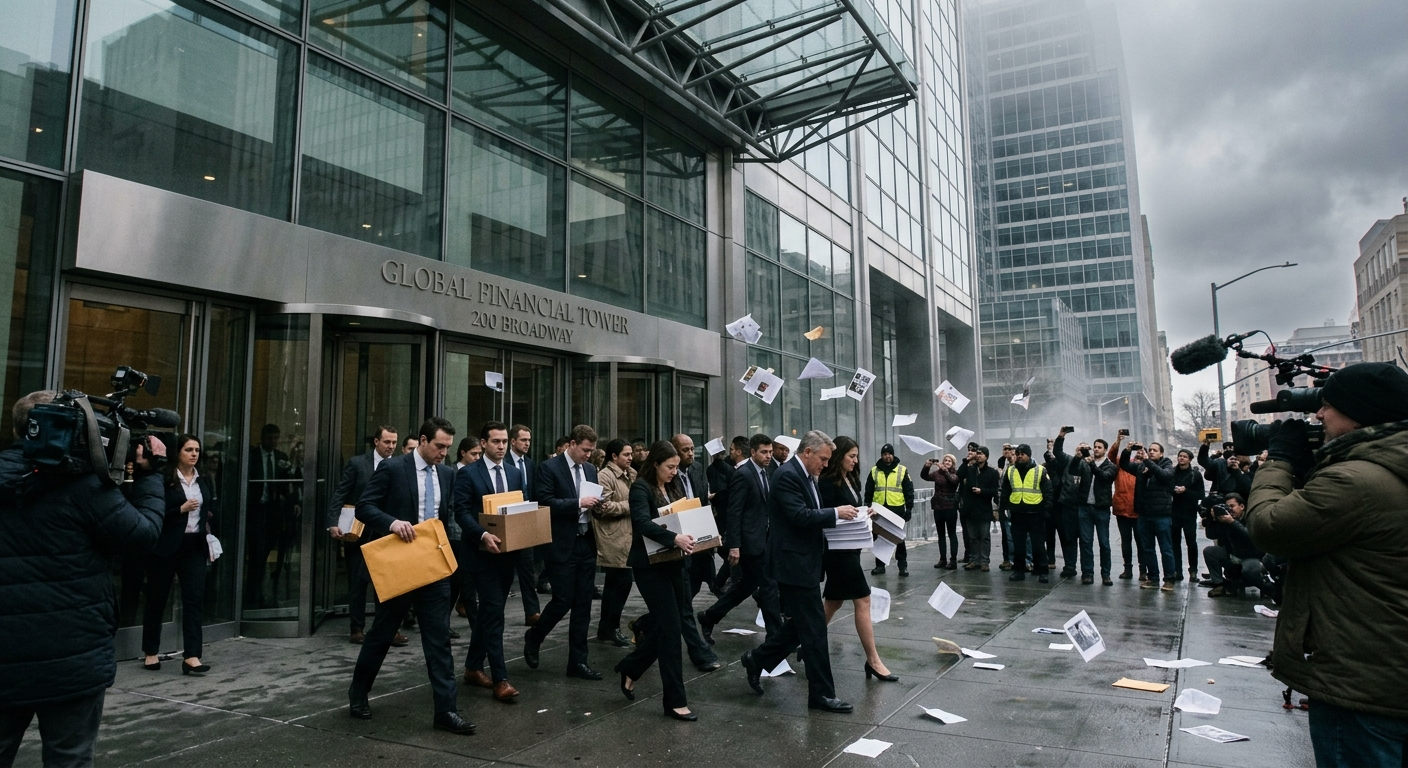
When the Foundation Cracks
On September 15, 2008, Lehman Brothers — a 158-year-old financial institution — filed for Chapter 11 bankruptcy. At over $600 billion in declared assets, it remains the largest bankruptcy filing in U.S. history. Markets cratered. Confidence evaporated almost overnight. And while most of the post-mortems focused on mortgage-backed securities and regulatory failures, there's a quieter story underneath: this was a systems failure. People at every level ignored warning signs, deferred hard conversations, and trusted that complexity would somehow protect them rather than expose them. Sound familiar?
The Tech Parallel Nobody Talks About Enough
In software and tech consulting, we build our own versions of Lehman Brothers more often than we'd like to admit. It's the legacy codebase everyone's afraid to touch. It's the architecture held together by three developers who haven't taken a vacation in two years. It's the client whose entire operation runs on a single server with no failover plan. The Lehman collapse wasn't caused by one bad decision — it was caused by hundreds of small decisions to kick the can, to assume stability, to let complexity accumulate without anyone really owning the risk picture. Technical debt is financial debt. It compounds, and eventually it calls your bluff.
The Real Lesson: Name the Risk Out Loud
The most actionable thing any tech leader can take from September 15, 2008, isn't "don't take risks" — it's name your risks clearly and early. The teams and companies that weathered that financial crisis had one thing in common: they had looked honestly at their exposure before the crisis forced them to. Build that habit into your process. Do regular system health reviews. Have the uncomfortable conversation about that one integration that nobody fully understands. The goal isn't to eliminate risk — it's to make sure you're choosing your risks consciously, not inheriting them by default. Lehman had 158 years of history and still fell in a weekend. Your strongest defense is clarity.