When You Build Something That Has Never Existed Before
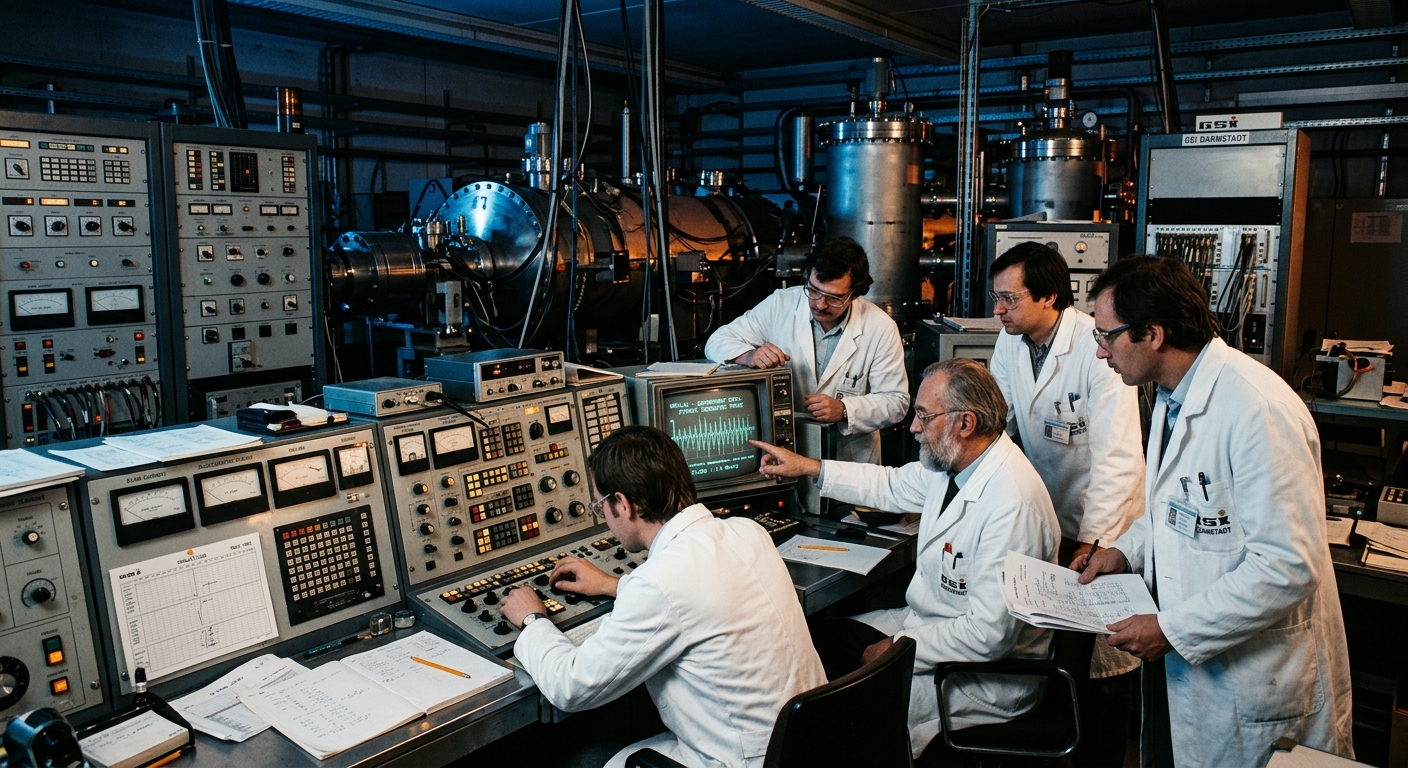
On August 29, 1982, a team of physicists at a research facility in Darmstadt, Germany did something that sounds almost absurd: they created a new element. Not discovered — created. Element 109, later named Meitnerium, was synthesized by smashing atoms together at unimaginable speeds using a particle accelerator. It existed for mere milliseconds before decaying, but that was enough. They proved it was possible. They wrote it into history.
Think about that for a second in the context of what we do in tech. Nobody handed those scientists a roadmap. There was no Stack Overflow thread for "how to synthesize a trans-uranium element." They built the tools, designed the experiment, and then trusted the process — even knowing the result would vanish almost instantly. Sound familiar? Whether you're architecting a new system from scratch, leading a team through a platform migration, or pitching a client on a solution that doesn't quite exist yet, you're often working at the edge of what's been done before. The proof of concept doesn't have to last forever. It just has to prove the thing is real.
There's also something worth noting about who this element was named after: Lise Meitner, a physicist who spent decades doing groundbreaking nuclear research while being systematically overlooked for credit and recognition. The naming was a small but meaningful act of acknowledgment — a reminder that in any great team effort, it matters who you see and who you lift up. In tech leadership, the tools we build, the products we ship, the companies we grow — they all carry the fingerprints of the people behind them. Make sure you're noticing those people. The best work happens when everyone in the lab knows their contribution counts.