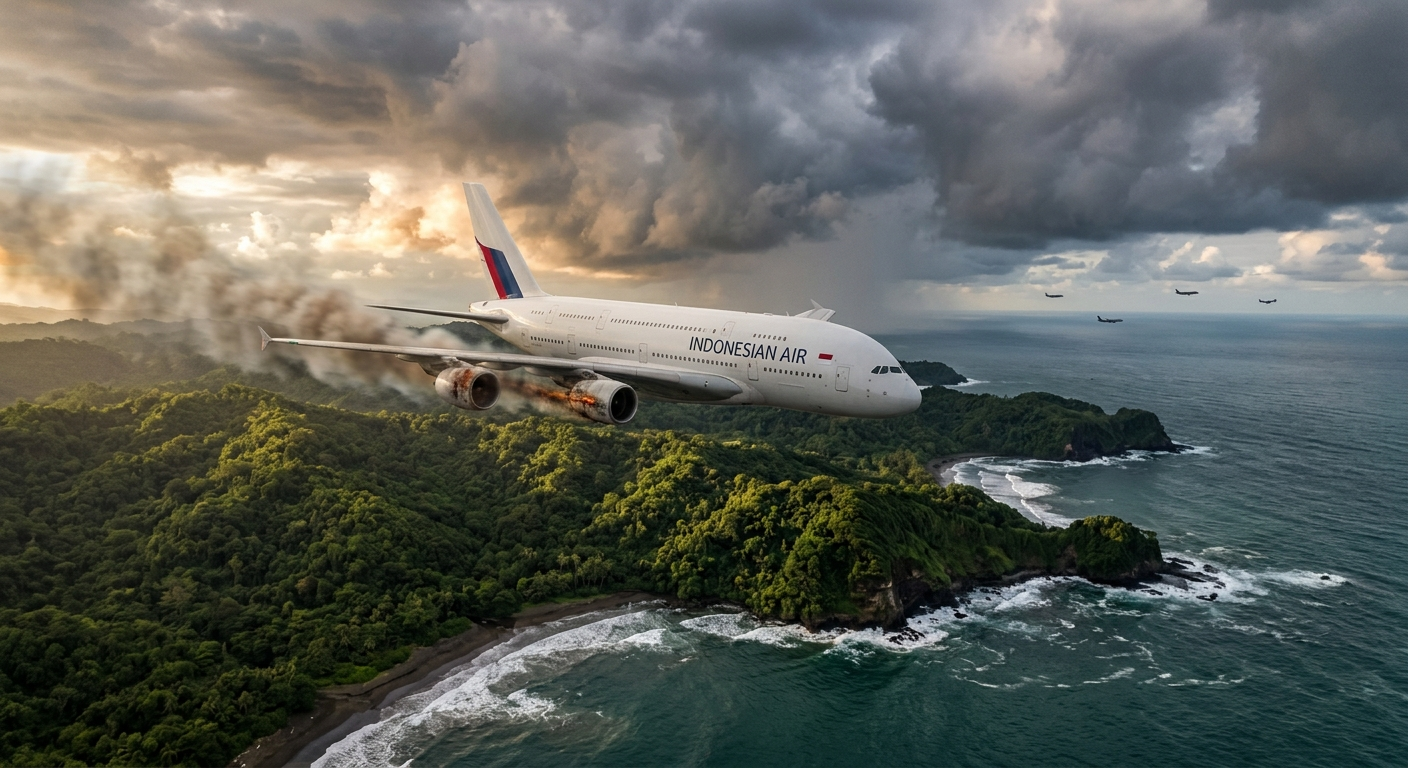
The Engine Blew — And Everyone Lived: What Qantas Flight 32 Teaches Us About Resilient Systems
On November 4, 2010, a Qantas Airbus A380 — one of the largest passenger jets ever built — had an engine literally explode over Indonesia shortly after leaving Singapore. Shrapnel tore through the wing, knocked out hydraulic systems, and crippled dozens of onboard functions. By every dramatic measure, this should have been a catastrophe. Instead, the crew methodically worked through a checklist that reportedly ran over 50 pages of warnings, made smart decisions under enormous pressure, and landed all 469 people on board safely. Not a single life was lost.
Here's what gets me about that story from a technology and systems-thinking perspective: the plane didn't survive because nothing went wrong. It survived because the system was designed to absorb things going wrong. The A380 had redundant hydraulic lines, redundant power systems, and redundant flight controls — not as a luxury, but as a core engineering philosophy. The crew had trained for cascading failures. The aircraft's designers had essentially asked, "What happens when our worst assumptions come true?" — and then built answers into the hardware before anyone ever needed them. That's not pessimism. That's professional maturity.
In software and business, we tend to build for the happy path. The demo works great, the launch goes smoothly, the servers hold up — right up until they don't. The teams and companies that weather the rough moments aren't necessarily the ones with the best code or the biggest budgets. They're the ones who asked the uncomfortable questions early: What if this API goes down? What if we lose a key team member? What if traffic spikes 10x overnight? Resilience isn't something you bolt on after a crisis — it's something you architect from the start. Flight 32 is a reminder that the real test of any system isn't how it performs on a clear day. It's how it holds together when the engine blows at 7,000 feet.