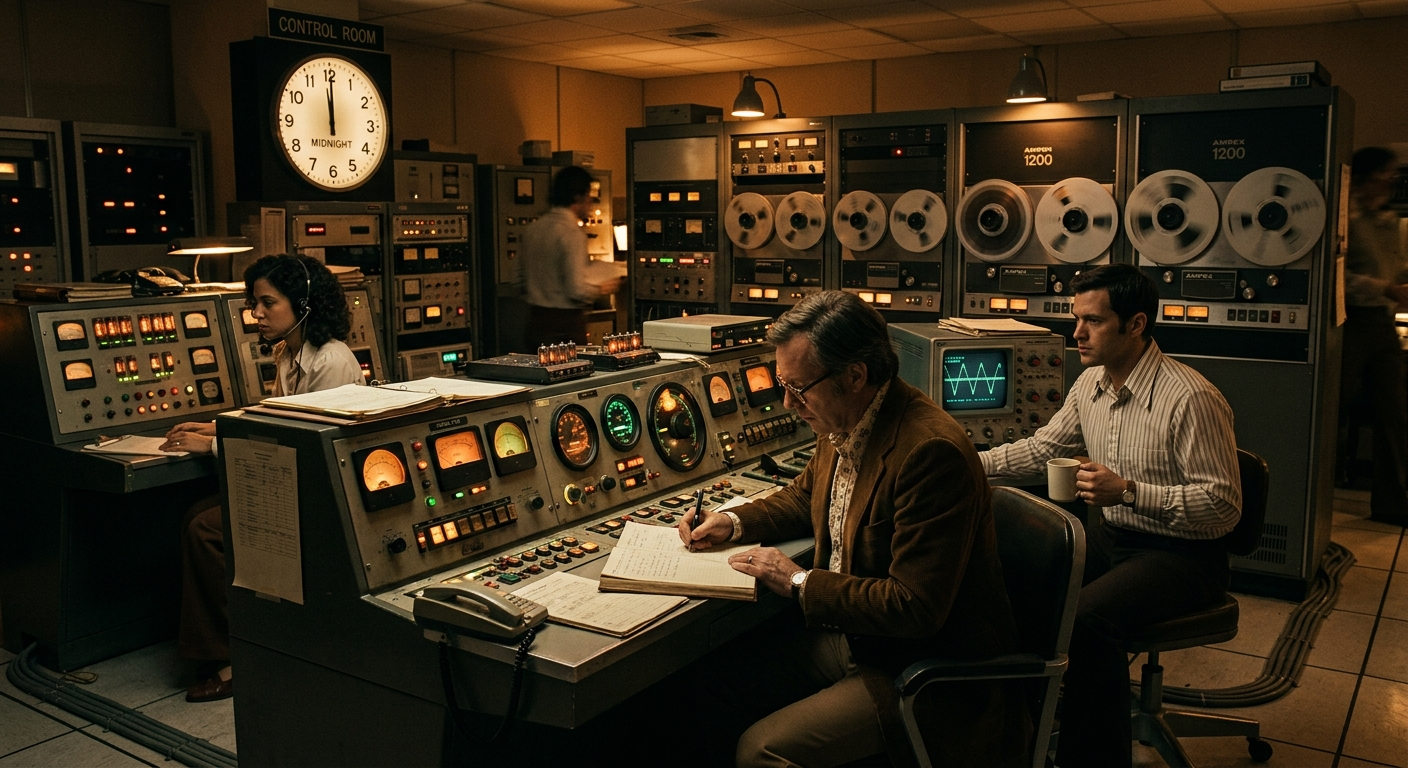
The Extra Second That Changed Everything
On June 30, 1972, the world's timekeeping engineers did something that sounds almost absurd: they added an entire second to the day. Not because of a bug, not because of a crisis — but because they knew that atomic clocks and the actual rotation of the Earth were slowly drifting apart. Left unchecked, that tiny drift would compound. So they built in a fix: the leap second. Unglamorous, invisible to most people, and absolutely essential.
Nobody threw a parade. No press release called it a breakthrough. But that decision — to acknowledge a small, accumulating mismatch and correct it proactively — is one of the most underrated engineering mindsets in history. How often do we do that in our own projects? It's easy to ship the feature, hit the deadline, and tell yourself you'll clean up the messy code "later." But later has a way of becoming never, and small drifts have a way of becoming system failures. The leap second is a reminder that the boring, disciplined work of staying calibrated is what keeps the whole machine running.
Here's the thing worth carrying into your week: the engineers who added that first leap second in 1972 weren't reacting to a disaster. They were ahead of one. In software, in business, in leadership — the teams that win long-term are the ones who build in their own "leap seconds." Regular code reviews. Honest retrospectives. Checking whether your product's direction still matches your customers' actual reality. It doesn't make for a flashy sprint demo, but it's the difference between a system that holds up for decades and one that quietly falls apart. Stay calibrated out there.