The First Parkrun Was Just 13 People With a Stopwatch — Now It's a Global Movement
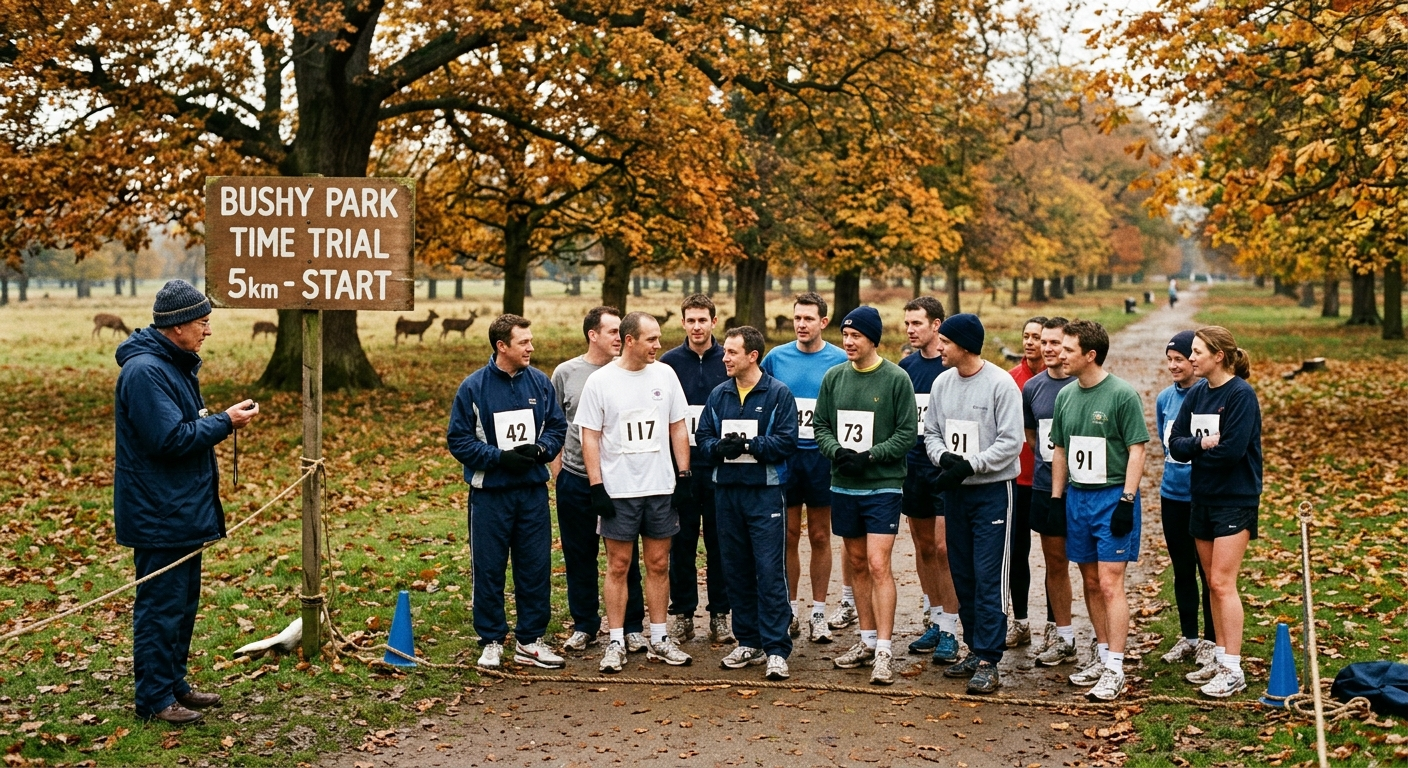
On October 2, 2004, a man named Paul Sinton-Hewitt set up a free, timed 5K run in Bushy Park in London. Thirteen people showed up. There was no app, no corporate sponsor, no grand vision deck. Just a stopwatch, a course, and a simple idea: show up on Saturday morning, run, get your time, come back next week. Nobody could have predicted that this tiny gathering would eventually grow into a global phenomenon with over 2,000 locations across 22 countries and more than 7 million registered participants. Parkrun didn't explode because of a massive marketing budget — it spread because the core experience was genuinely good and radically simple.
There's a real lesson here for anyone building software or leading a tech team. We live in a world that rewards the appearance of scale — big launch announcements, polished landing pages, waitlists with artificial urgency. But Parkrun's growth came from relentless focus on one thing: a repeatable, free, welcoming experience that people actually wanted to come back to. The product was the community, and the community grew because the barrier to entry was basically zero. As a developer or a founder, it's worth asking — are you optimizing for the launch, or for the second visit? The return rate is where the real signal lives.
The other thing worth noting is that Parkrun started in 2004 with nothing fancier than a spreadsheet to track results. The tech stack was an afterthought. The behavior they were trying to enable came first, and the tooling followed as it needed to. That's a discipline most of us in tech struggle with — we reach for the sophisticated solution before we've even proven anyone wants to show up. Sometimes the scrappiest version of your idea, run consistently and with genuine care, is the most powerful proof of concept you'll ever build. Start the clock. See who shows up.