The Last Beetle Rolls Off the Line — and What It Taught Us About Knowing When to Ship
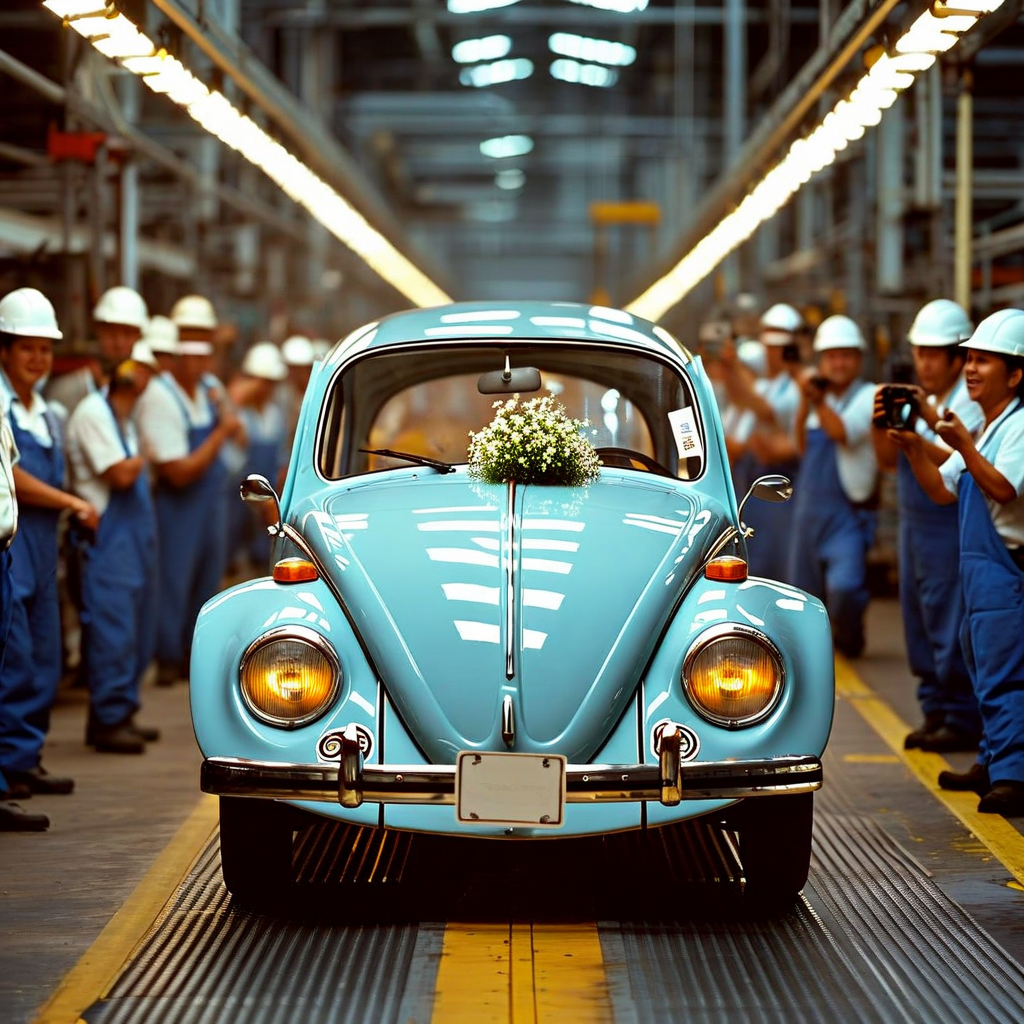
On July 30, 2003, something quietly remarkable happened in Puebla, Mexico. The very last "old style" Volkswagen Beetle — serial number 21,529,464 — rolled off the assembly line and into history. Workers decorated it with flowers. People cried. A car that had first appeared in the late 1930s, survived World War II, conquered the American counterculture of the 1960s, and somehow outlasted nearly every competitor imaginable had finally reached its end. Not with a crash, but with flowers and photographs.
Here's what strikes me about that moment: Volkswagen didn't abandon the Beetle because it failed. They retired it because they had already iterated beyond it. The New Beetle had launched in 1998 — same soul, completely reimagined architecture. They knew when to honor what they'd built and when to move forward. That's genuinely hard to do in any industry, but especially in tech. How many teams keep patching legacy systems out of loyalty or fear instead of asking the harder question: have we already shipped the successor, and we just won't admit it yet? The Beetle's sendoff was dignified because VW made a conscious, intentional choice — not a desperate one.
For those of us building software or leading technology teams, that 2003 assembly line moment is worth keeping close. Great products deserve graceful endings. Technical debt doesn't age like wine, and neither do architectures that have genuinely run their course. The goal isn't to kill your darlings carelessly — it's to recognize when the thing you built already did its job, celebrate that honestly, and give your team permission to put their energy into what comes next. The Beetle got flowers. Your legacy codebase deserves at least a proper retrospective.