The Last Case: What Smallpox's Defeat in 1977 Teaches Us About Finishing the Job
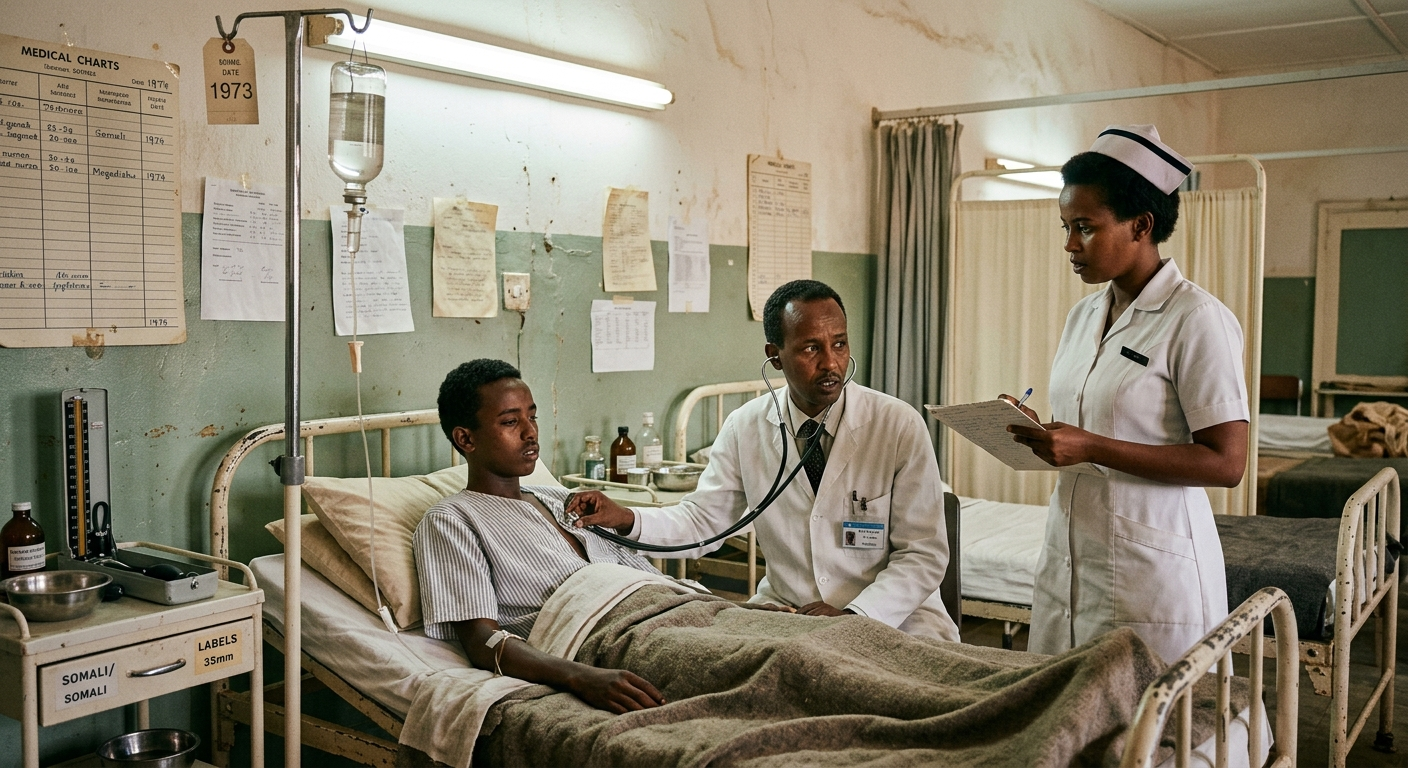
On October 26, 1977, a hospital cook named Ali Maow Maalin in Merca, Somalia, developed a rash. It turned out to be smallpox — and it was the last naturally occurring case the world would ever see. A disease that had killed an estimated 300 million people in the 20th century alone was, for all practical purposes, done. The WHO declared it officially eradicated in 1980. No other infectious disease in human history has ever been fully wiped out. Not before, not since.
What's remarkable isn't just the outcome — it's the scale of the execution. The global smallpox eradication campaign wasn't a single breakthrough moment. It was decades of coordination, iteration, and what we'd now call "last-mile problem solving." When mass vaccination campaigns stalled because the disease kept popping up in remote areas, the team switched strategies entirely — pivoting to "surveillance and containment," essentially hunting down each outbreak and forming a ring of vaccinated people around it. They didn't have perfect tools or unlimited resources. They had a clear goal, feedback loops, and the willingness to change tactics when the data demanded it. Sound familiar?
In software and tech consulting, we talk a lot about launching and shipping — but eradication is a different kind of goal. It's not about hitting 80% and declaring victory. It means caring deeply about the edge cases, the remote villages, the obscure user flows that affect only a small percentage of your users. The people who built systems, trained local health workers, and showed up in the hardest-to-reach corners of the globe understood something every good engineer and consultant should internalize: the last 20% of the problem is usually where the real work lives. Next time you're tempted to call something "good enough," remember that someone, somewhere, decided a 3,000-year-old disease wasn't.