The Last Landing: What the End of the Space Shuttle Program Teaches Us About Knowing When to Ship Final
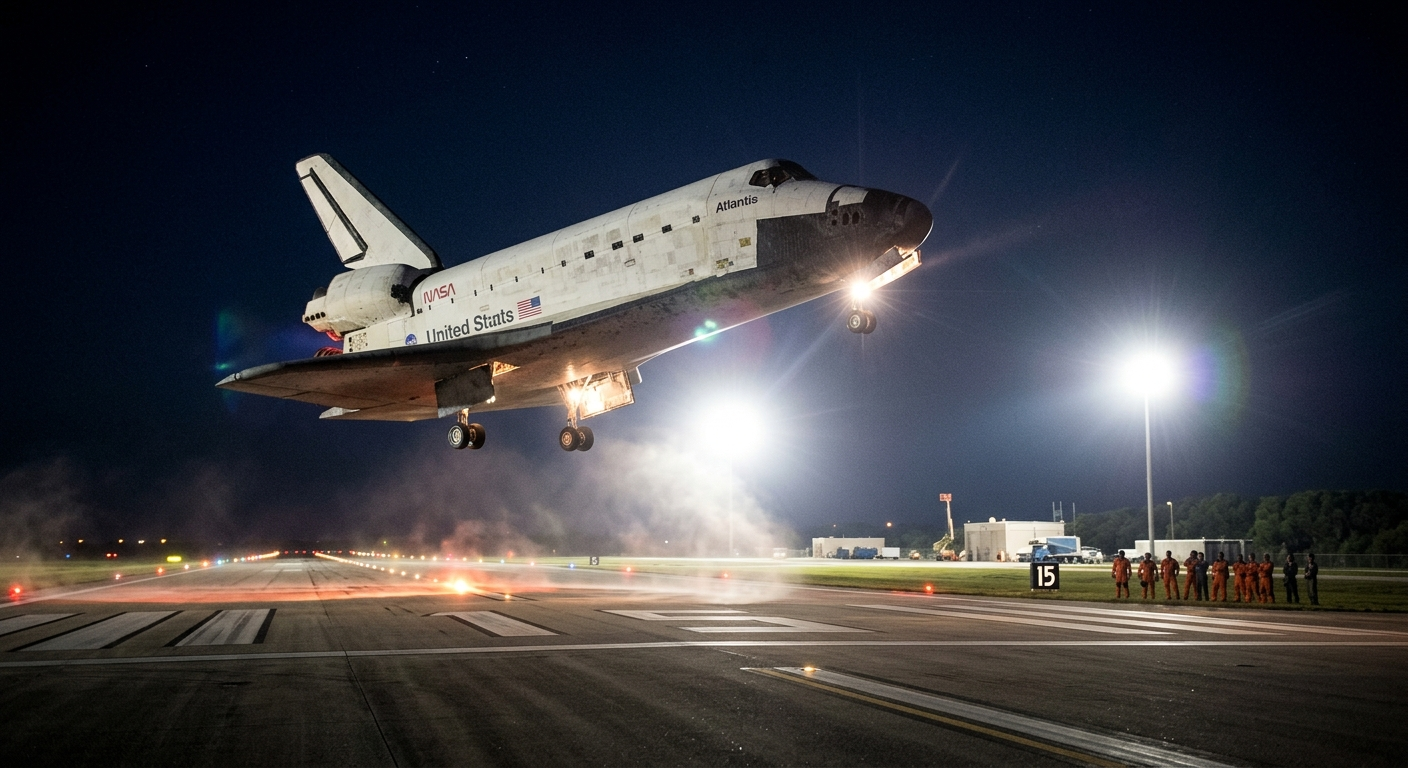
On July 21, 2011, at 5:57 AM, Space Shuttle Atlantis touched down at Kennedy Space Center and rolled to a stop. Mission STS-135 was complete. After 135 total missions spanning 30 years, the Space Shuttle program was officially over. No fanfare. No explosion of confetti. Just a machine that had carried humanity's ambitions into orbit — 872 total crew members across its history — coasting quietly to a halt in the Florida dark.
Here's what strikes me about that moment from a tech and leadership perspective: NASA didn't abandon the Shuttle because it failed. They ended it intentionally, on their terms, because the mission had evolved. The program had done what it was built to do — help construct the International Space Station, deploy the Hubble Space Telescope, push the boundaries of what we believed was possible. Clinging to it just because it was familiar, just because it worked, would have starved the resources needed for what came next. Sometimes the bravest thing a team can do is declare something done. Not broken. Done. How many legacy systems, outdated processes, or comfortable-but-limiting platforms are you still flying because nobody has the courage to call the final landing?
The post-Shuttle era felt uncertain at the time — there was a genuine gap in American crewed spaceflight capability. But that uncertainty created the conditions for SpaceX, for commercial space, for a completely different chapter of innovation. The gap was the point. If you're leading a team or a product right now, ask yourself: is there something you're maintaining out of nostalgia that's actually blocking the next launch? Ending something well — documenting it, celebrating it, and handing off cleanly — is a skill most organizations never develop. Atlantis landed beautifully. Make sure your transitions do too.