The Letter That Launched the Atomic Age: What Einstein Knew About Urgency
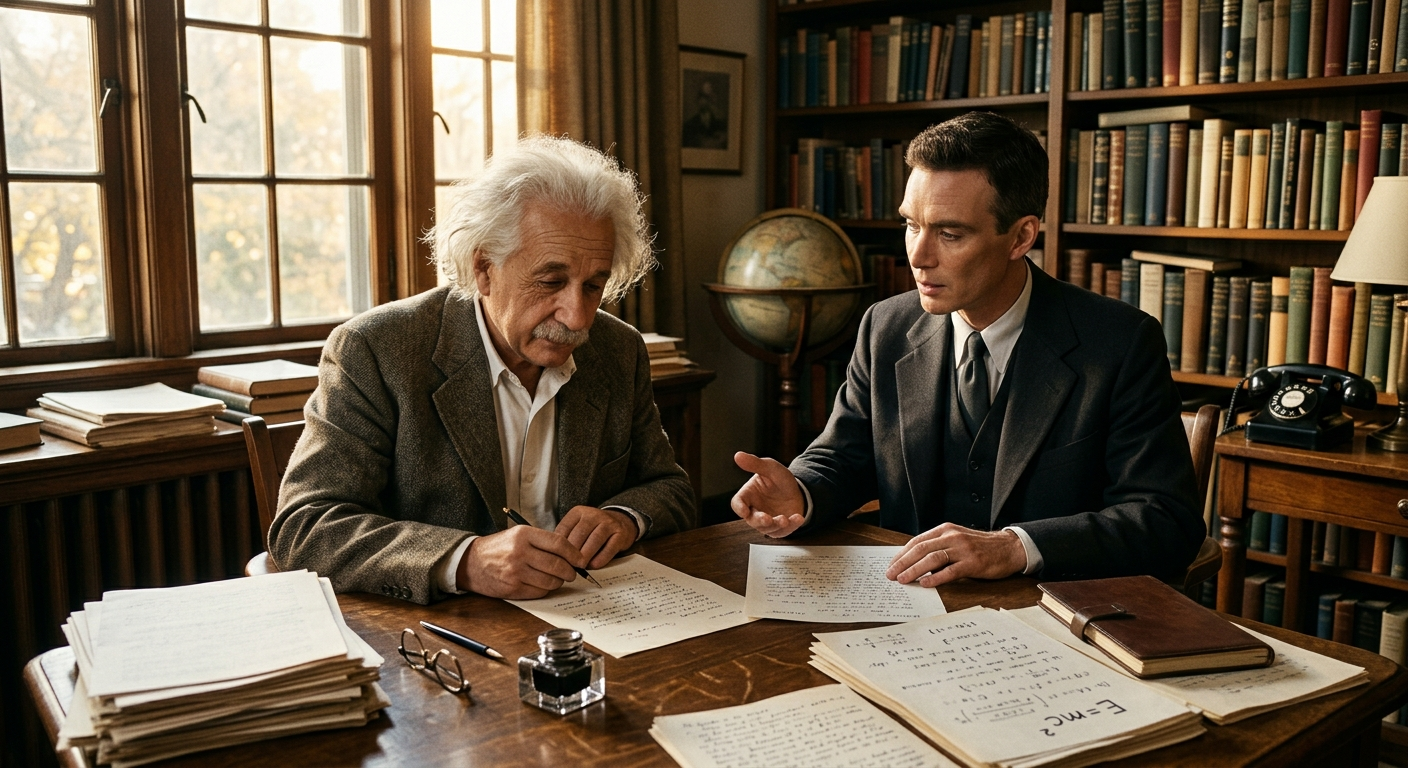
On August 2, 1939, Albert Einstein and physicist Leo Szilard sat down and wrote a letter to President Franklin D. Roosevelt. It wasn't a research paper or a patent filing — it was a warning. They had reason to believe Nazi Germany was actively working to harness nuclear fission as a weapon, and they knew the implications were staggering. So they did something that doesn't come naturally to most scientists or technical minds: they stopped working in their lane and escalated — fast. That letter directly prompted the U.S. government to launch what would eventually become the Manhattan Project.
Here's what strikes me about this moment. Einstein was arguably the most famous scientist on the planet, and Szilard was the one who had actually conceived of the nuclear chain reaction years earlier. These were not people who needed to write letters to politicians. But they recognized something critical: having the right insight means nothing if it never reaches the people with the power to act on it. In tech, we run into this constantly. A developer spots a security vulnerability. A project manager sees a timeline that's about to implode. A consultant identifies a business process that's quietly bleeding money. The knowledge exists — but it dies in a Slack thread or a backlog ticket that nobody reads. The skill isn't just seeing the problem. It's knowing when to pick up the metaphorical pen and put it directly in front of the right person.
The other thing worth noting? Einstein and Szilard didn't just dump raw data on Roosevelt. They translated complex physics into strategic stakes — they explained why it mattered in terms a decision-maker could act on. That's the whole game in tech consulting, software leadership, and really any role where technical people work alongside business stakeholders. Your job isn't to prove you're the smartest person in the room. It's to make the insight land. If something important is sitting in your head right now — a risk, an opportunity, a better way forward — ask yourself: have I actually gotten it in front of the right person, in a way they can understand and act on? Sometimes changing the world really does start with writing the letter.