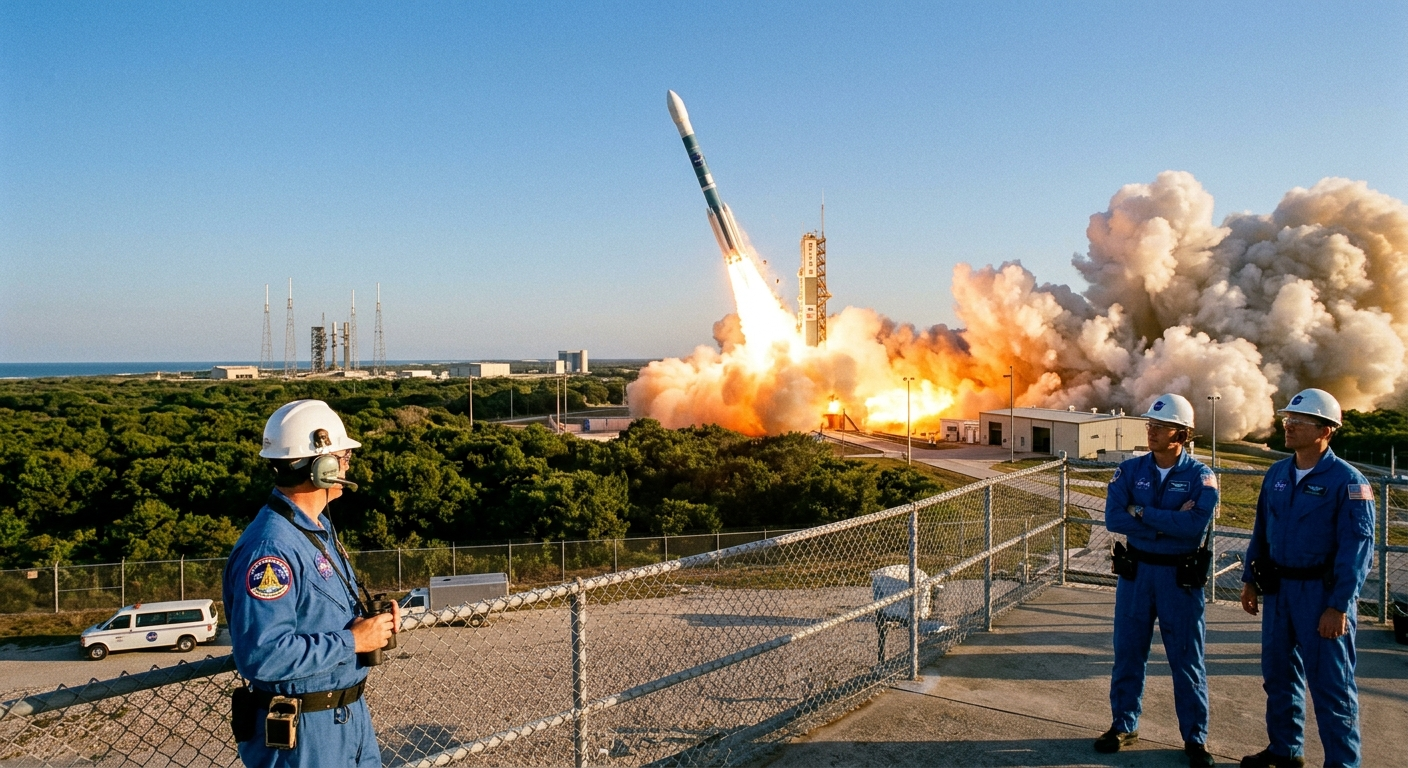
The Red Planet Reboot: What NASA's 1996 Mars Launch Teaches Us About Bold Bets
On November 7, 1996, NASA pointed something at Mars and pressed go — again.
That word again matters. The Mars Observer mission had failed just three years earlier, going silent right before orbital insertion in 1993 and taking $813 million worth of scientific hopes with it. NASA could have stepped back, played it safe, and let the red planet win. Instead, they regrouped, re-engineered, and launched the Mars Global Surveyor on this exact date in 1996. It worked. Beautifully. The spacecraft spent nearly a decade mapping Mars in unprecedented detail, discovering evidence of past liquid water and reshaping our entire understanding of the planet. The mission that followed a disaster became one of the most successful planetary science programs in history.
There's a direct line between that decision and how the best tech teams operate today. The temptation after a failed product launch, a botched deployment, or a lost client is to shrink — to scope down the next project, to over-engineer the approval process, to let the ghost of the last failure haunt the next attempt. NASA didn't do that. They studied what went wrong with Mars Observer, applied what they learned, and built something leaner and smarter. That's not recklessness — that's disciplined boldness. It's the difference between ignoring failure and being paralyzed by it.
If you're sitting on a project right now that stalled out once before, or an idea your team shelved after a rough first attempt, today's a good day to dust it off. The Mars Global Surveyor didn't succeed despite coming after a failure — it succeeded because of the lessons that failure made possible. Your next launch has that same potential. The question is whether you're willing to load it on the pad.