What a Rogue Baggage Handler Taught Us About Knowing Your Systems
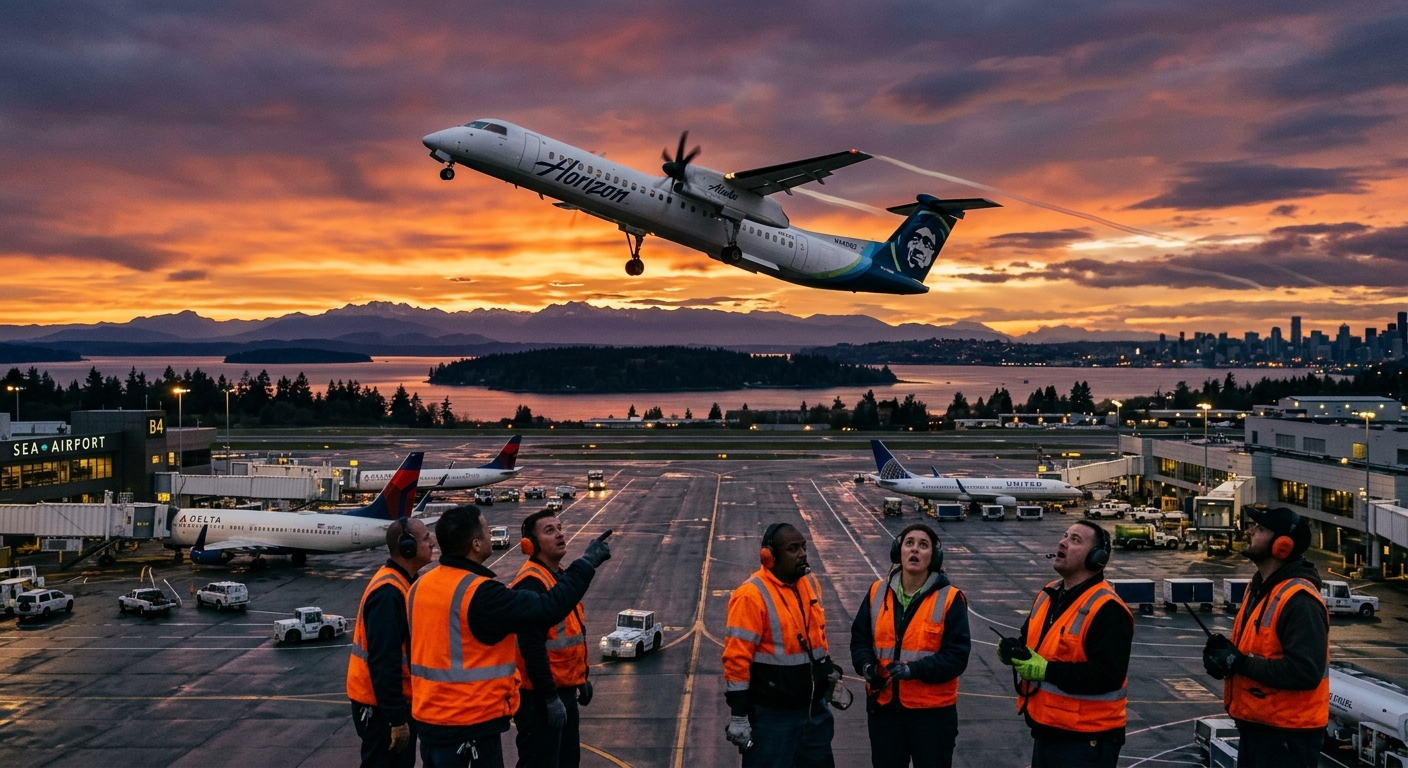
On August 10, 2018, a Horizon Air ground service agent named Richard Russell did something almost no one thought was possible: he climbed into a Bombardier Dash 8 Q400 turboprop at Seattle-Tacoma International Airport, figured out enough of the controls to take off, and flew it for over an hour before ultimately crashing into a small island. No formal flight training. Just a guy who had spent years around aircraft and absorbed more than anyone realized.
The story is genuinely strange and sad, but there's something buried in it that should make every tech leader stop and think. Russell wasn't a trained pilot — yet he understood enough of the system from proximity alone to get a 65,000-pound aircraft off the ground. That's a double-edged sword we deal with in software every single day. How many people on your team have just enough access and just enough tribal knowledge to do something powerful — but without the full picture of what they're touching? Shadow deployments, undocumented processes, a developer who "knows how the old billing module works" but has never written it down — these are your unlocked cockpits. Proximity to a system is not the same as understanding it, and assuming otherwise is how things go sideways fast.
The flip side, though, is genuinely inspiring. Russell taught himself — through observation, curiosity, and sheer absorption — skills that formally credentialed people said he couldn't have. That instinct to learn by being close to something, to ask questions and pay attention even when it's not your official job? That's a superpower in tech consulting. The best engineers and project managers I've seen aren't always the ones with the most certifications. They're the ones who stayed curious, read the documentation nobody else read, and actually watched how things worked. The lesson isn't to leave your systems unsecured — it's to actively find the people on your team who have quietly become experts, document what they know, and build processes that channel that curiosity into something sustainable. Don't wait for a crisis to discover who really understands your infrastructure.