When 70 Years of "That's How We Do It" Finally Cracked
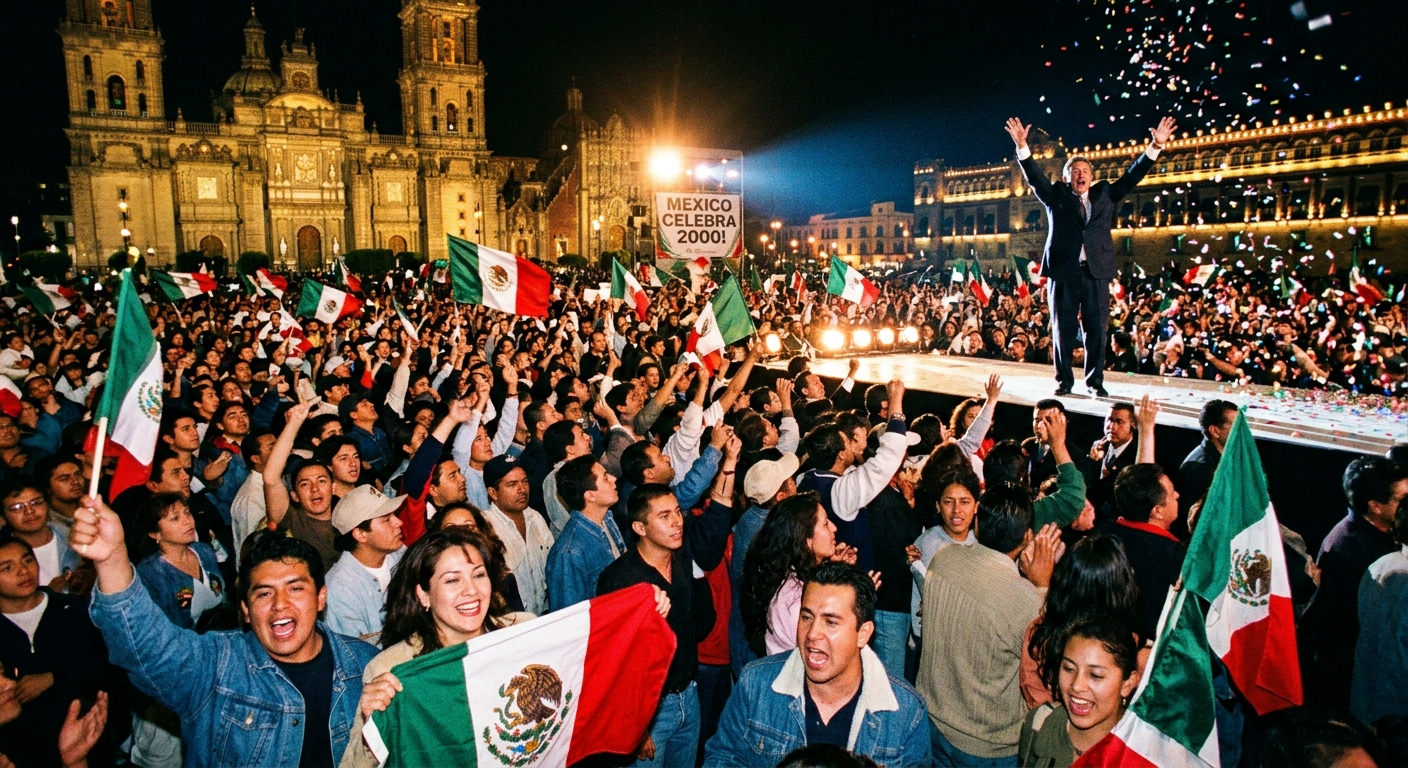
On July 2, 2000, something happened in Mexico that most political analysts had spent decades calling impossible. Vicente Fox Quesada won the presidential election, ending 71 consecutive years of rule by a single party — the PRI. Seventy-one years. For context, that's longer than most modern tech companies have even existed. The PRI had become so deeply embedded in Mexican political life that "how government works" and "how the PRI works" had become synonymous. And then, in one election cycle, that assumption evaporated.
Here's what makes this relevant to anyone building software, leading a team, or running a business: the most dangerous phrase in any organization isn't "we can't do that." It's "this is just how things work here." Legacy systems, legacy processes, legacy thinking — they all share the same DNA as a 71-year political monopoly. They persist not because they're optimal, but because disrupting them feels risky, unfamiliar, and frankly exhausting. Fox's victory didn't happen because someone had a flashy new idea. It happened because enough people finally decided that the discomfort of change was smaller than the cost of staying the same.
If you're staring down a codebase nobody wants to touch, a workflow your team inherited and never questioned, or a vendor relationship that "just is what it is" — take a beat today. July 2nd is a good reminder that monopolies of habit are breakable. The first step is simply refusing to accept that the way things have always been done is the way they have to be done. That's not naïve optimism. That's how every meaningful technical and organizational breakthrough actually starts.