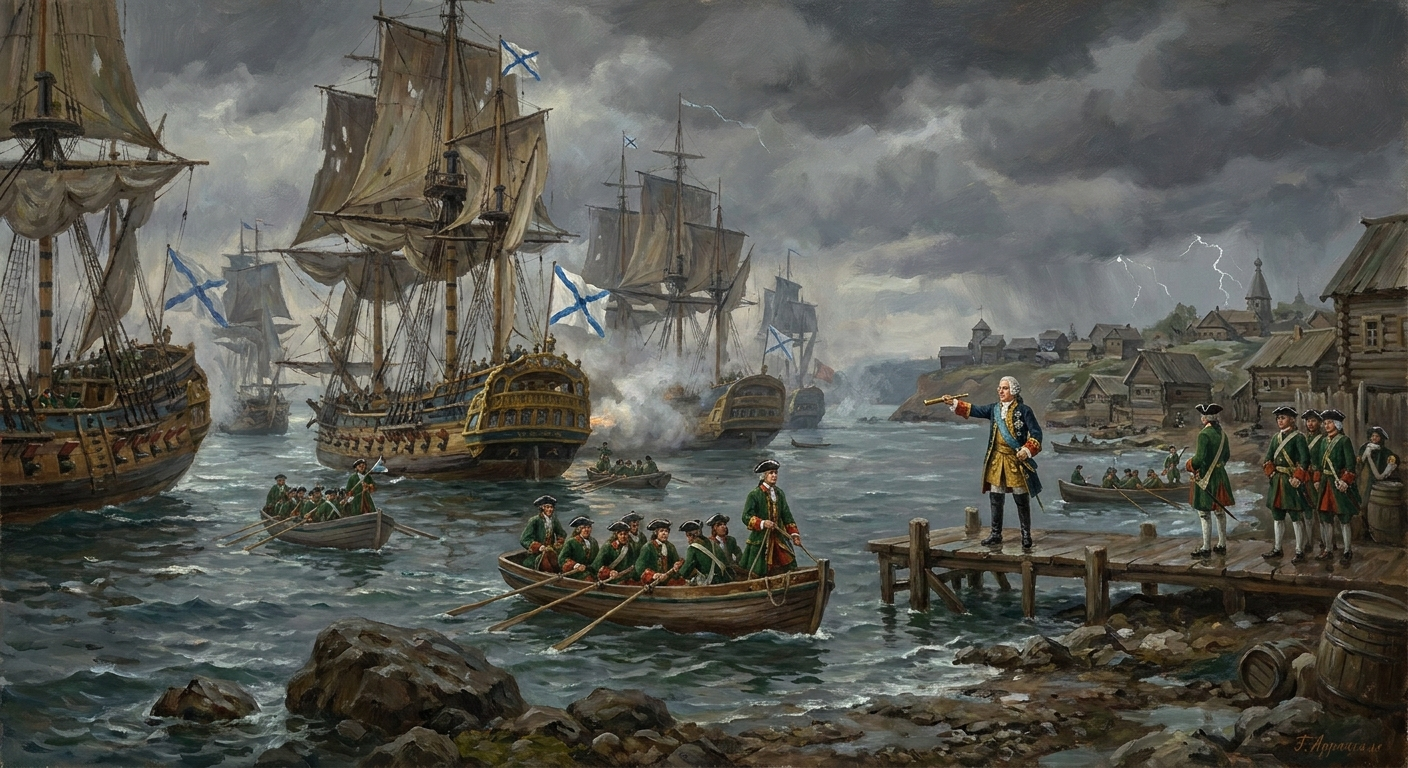
On May 10, 1713, Admiral Fyodor Apraksin orchestrated one of the most audacious naval operations of the Great Northern War, simultaneously landing Russian forces at both Katajanokka and Hietalahti during the Battle of Helsinki. This wasn't just military strategy—it was masterful project management under extreme conditions.
What strikes me about Apraksin's approach is how he solved the classic coordination problem that still haunts tech teams today. Rather than putting all his forces in one place, he executed a synchronized multi-point deployment. Imagine the logistics: coordinating two separate landing operations without modern communication, ensuring timing was perfect, and maintaining operational security across multiple moving parts. One mistimed landing could have spelled disaster for both forces.
This reminds me of the best software releases I've witnessed—those moments when multiple teams deploy complementary features simultaneously, each depending on the others' success. Like Apraksin's dual landing strategy, it requires meticulous planning, clear communication channels, and leaders who can make split-second decisions when the original plan hits reality. The Admiral's success came from understanding that sometimes the boldest move is also the smartest one—creating multiple pressure points instead of banking everything on a single approach.
Note: Historical details may vary by source.