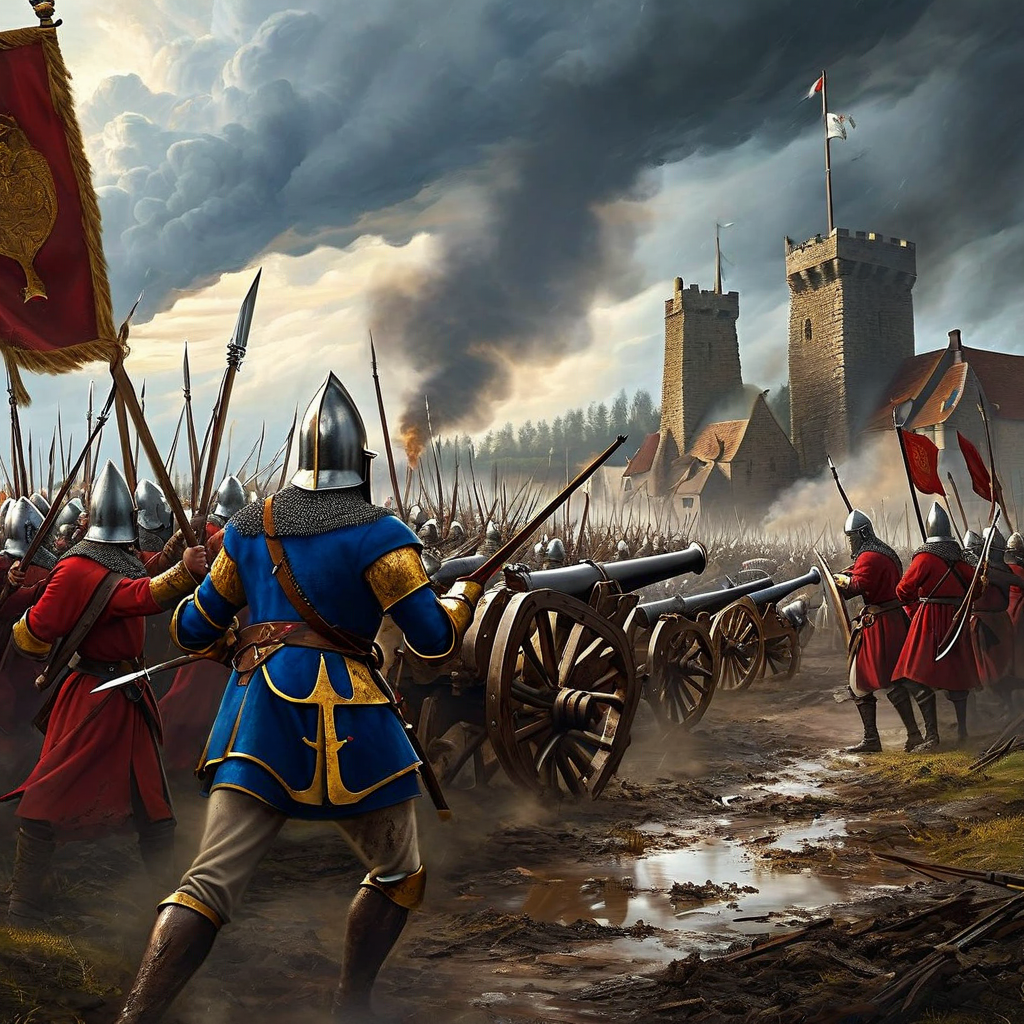
On April 15, 1450, something remarkable happened on a muddy field in Normandy that would change the course of history. At the Battle of Formigny, French forces didn't just defeat the English—they nearly annihilated them, effectively ending England's century-long dominance in Northern France and marking the beginning of the end of the Hundred Years' War.
What made this victory so decisive wasn't just superior numbers or tactics. The French had embraced new military technology—early cannons and improved crossbows—while the English stubbornly relied on their traditional longbows that had served them so well at Agincourt decades earlier. In a single afternoon, an entire military paradigm shifted, and with it, the balance of power in medieval Europe.
This reminds me of every major disruption we've witnessed in tech. Just as the English longbow masters couldn't adapt quickly enough to gunpowder warfare, how many established companies have we watched struggle when faced with cloud computing, mobile-first design, or AI integration? The lesson from Formigny isn't that old methods are always wrong—it's that markets reward those who recognize when it's time to fundamentally rethink their approach. Sometimes the most dangerous position isn't being behind the curve, but being so successful with yesterday's technology that you can't see tomorrow's battlefield forming around you.