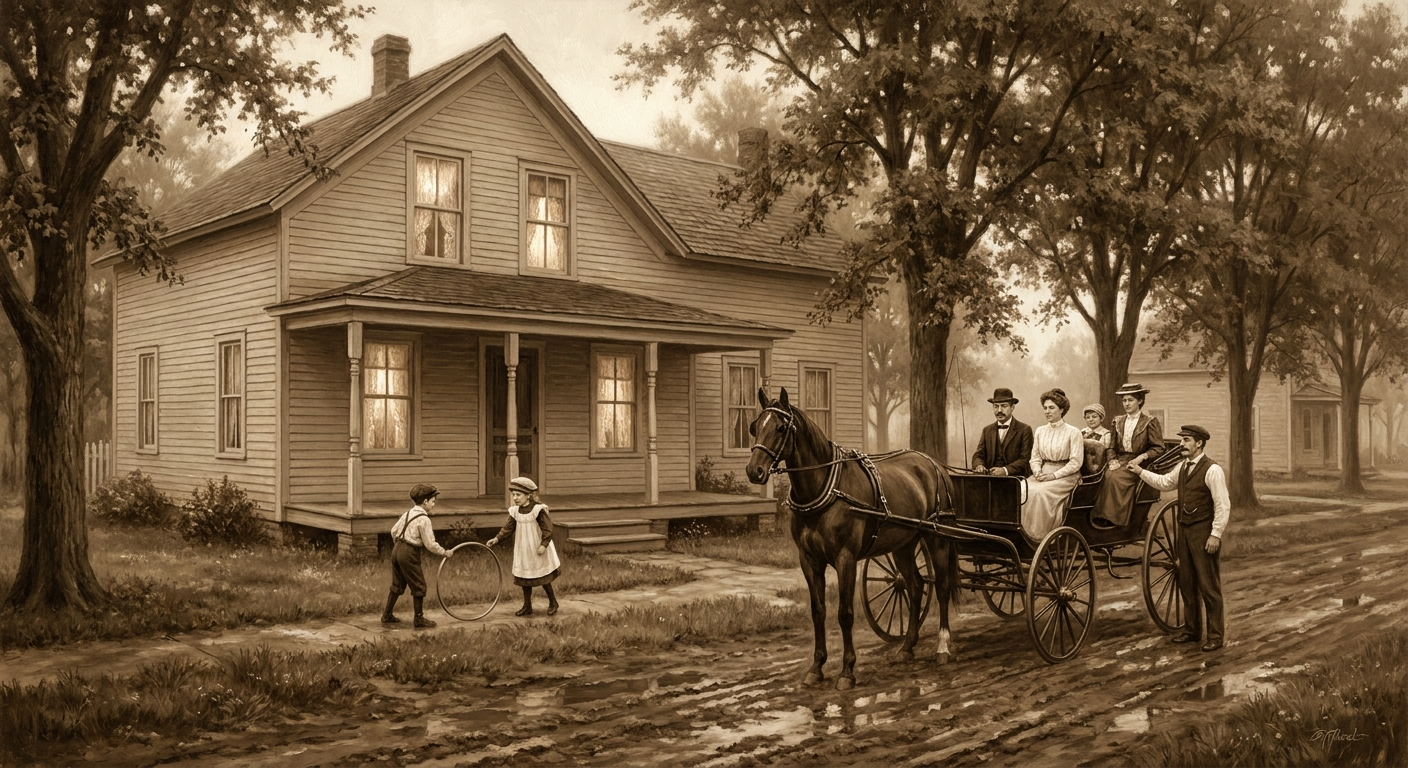
On May 23, 1908, a child was born in Madison, Wisconsin who would go on to achieve something no one in history had done before or since—win the Nobel Prize in Physics twice. John Bardeen didn't just stumble into greatness; he methodically built it, brick by brick, through decades of relentless curiosity and collaboration.
What makes Bardeen's story particularly relevant for us in tech is how he approached innovation. His first Nobel Prize came from co-inventing the transistor at Bell Labs in 1947—the foundation of every device we use today. But instead of coasting on that revolutionary achievement, he dove into an entirely different field: superconductivity. Twenty-five years later, he won his second Nobel for developing the theory that explained how materials can conduct electricity with zero resistance. Imagine shipping a groundbreaking product, then immediately pivoting to solve an completely different "impossible" problem.
In our fast-moving industry, it's easy to get comfortable after a major success or feel like we've peaked after one breakthrough project. Bardeen's legacy reminds us that true innovation isn't about finding your one big idea—it's about maintaining that beginner's mindset throughout your entire career. Whether you're a developer who just shipped your first major feature or a founder celebrating your latest funding round, the question isn't "How do I top this?" but rather "What fascinating problem should I tackle next?"