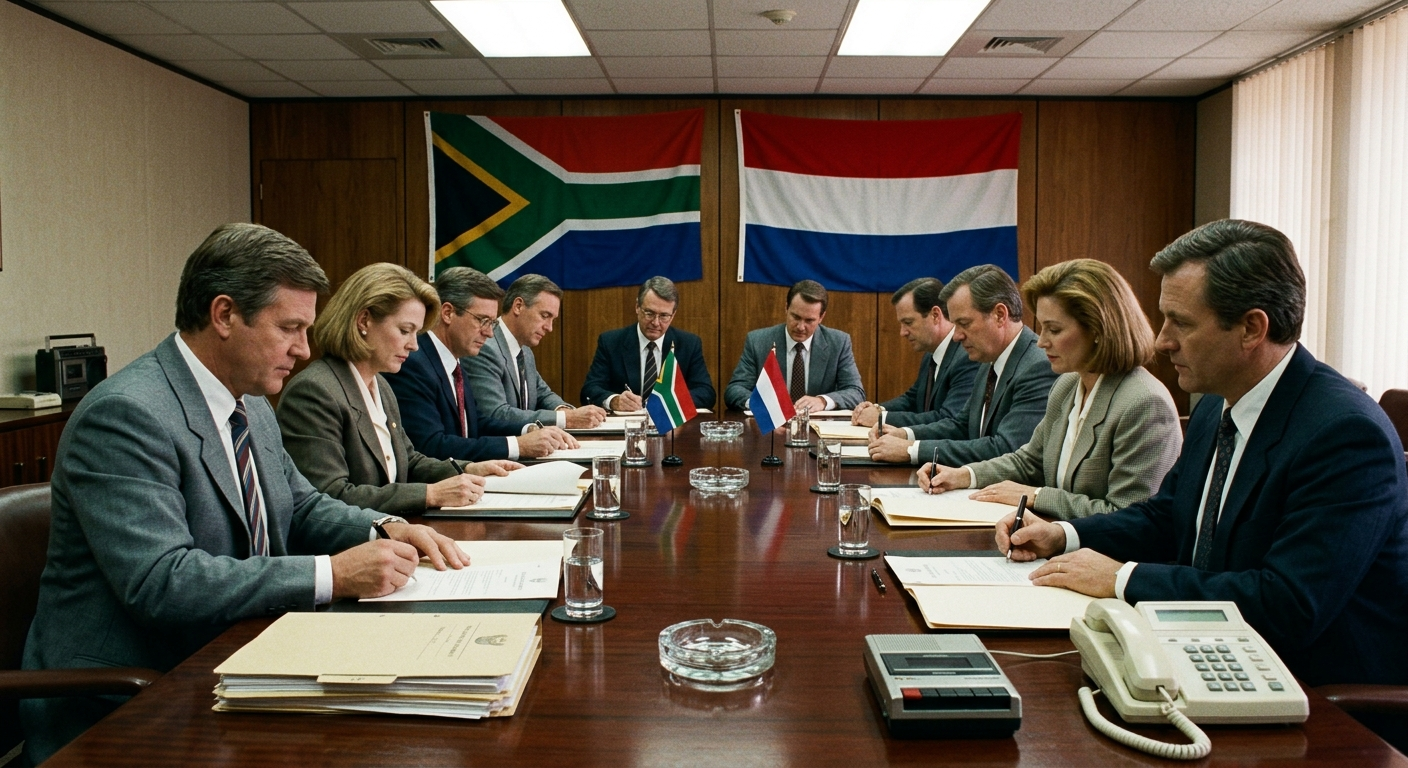
When a Handshake Isn't Enough: The 1994 Agreed Framework and the Cost of Unenforceable Agreements
On October 21, 1994, diplomats from the United States and North Korea sat down and signed what was called the Agreed Framework — a deal requiring North Korea to freeze and eventually dismantle its nuclear weapons program in exchange for energy assistance and normalized relations. On paper, it looked like a genuine breakthrough. In practice, it became one of history's most cited examples of an agreement that lacked the structure to survive contact with reality. By the early 2000s, the deal had collapsed entirely.
Here's the thing — this isn't just a geopolitics story. It's a project management story. How many times in tech do we shake hands on a scope of work, a delivery timeline, or a service agreement, only to find out six months later that everyone had a completely different picture of what "done" meant? The Agreed Framework failed largely because verification mechanisms were weak, incentives were misaligned, and neither side had built genuine accountability into the structure of the deal. Sound familiar? It should. Vague sprint goals, underdefined acceptance criteria, and vendor contracts without clear SLAs fail for exactly the same reasons.
The lesson for anyone building software, leading a team, or running a consulting engagement is pretty straightforward: good intentions at the signing table don't hold systems together — clear terms, measurable checkpoints, and mutual accountability do. Whether you're negotiating with a client, aligning stakeholders on a product roadmap, or onboarding a new development partner, take the extra hour to define what success actually looks like and how you'll both know when it's been achieved. The 1994 framework had ambitious goals and genuine momentum behind it. What it didn't have was a mechanism to catch drift before it became collapse. Don't make the same mistake.