When the Rocket Goes Off Course: Lessons from Mariner 1's Famous Failure
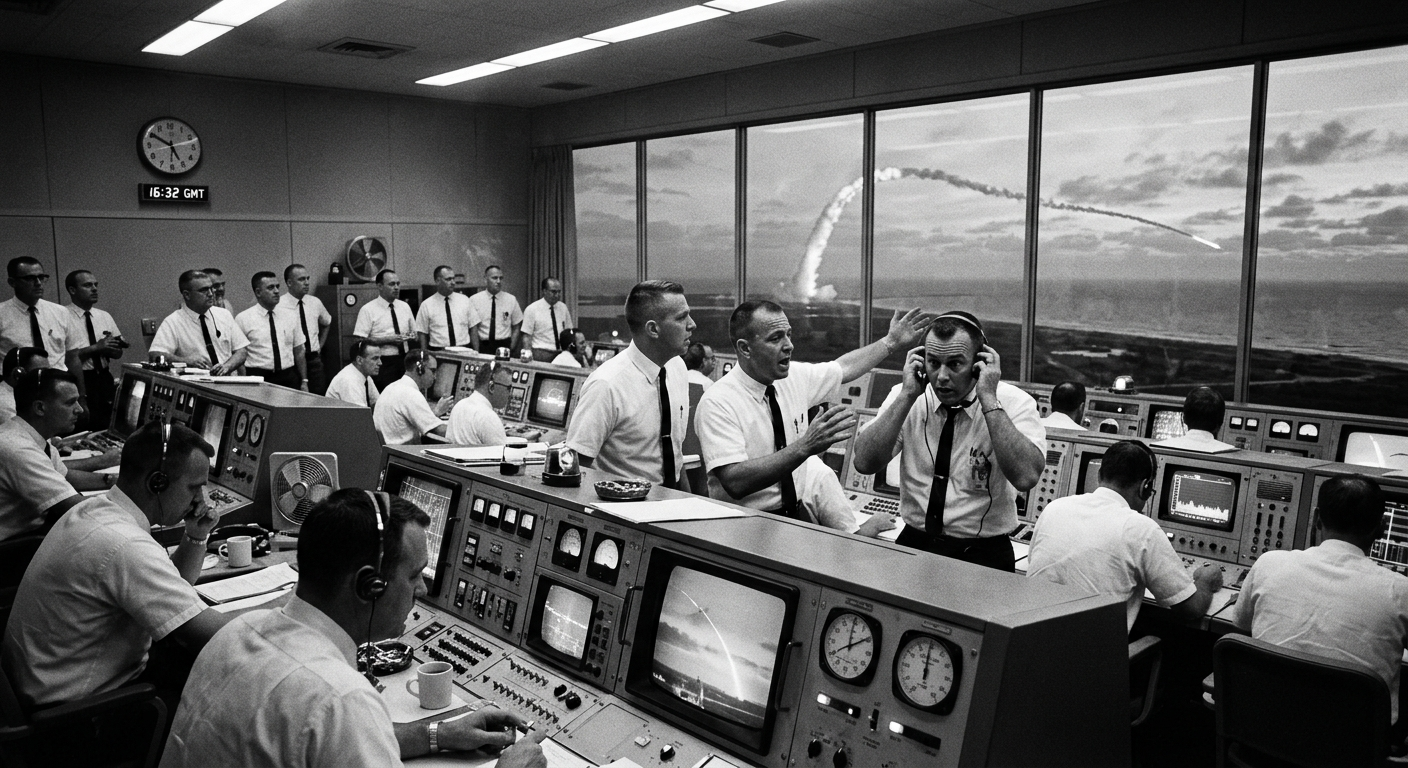
On July 22, 1962, NASA's Mariner 1 spacecraft launched from Cape Canaveral with one job: fly past Venus and make history. It lasted about five minutes. A missing hyphen — or more precisely, a transcription error in the guidance software that caused the rocket to deviate from its intended flight path — forced a range safety officer to hit the self-destruct button over the Atlantic Ocean. $18.5 million. Gone. The press famously called it "the most expensive hyphen in history." Whether the hyphen story is completely accurate is still debated by historians, but the core truth isn't: a tiny, invisible flaw in the code brought down an entire mission.
Here's the thing nobody talks about enough — Mariner 2 launched just 36 days later, succeeded brilliantly, and became the first spacecraft to conduct a successful flyby of another planet. NASA didn't fold. They didn't spend months in blame meetings or quietly bury the program. They used the failure. They found the error, fixed it, documented it, and flew again. That turnaround is a masterclass in engineering culture. In software development today, we talk a lot about "failing fast" — but the real skill isn't the failing, it's what you build into your process because of it. Code reviews, automated testing, deployment checklists — these aren't bureaucratic busywork. They're institutional memory born from expensive mistakes.
If you're leading a tech project right now and something just blew up on the launchpad, you're actually in good company. The question isn't whether your team shipped a bug or missed a deadline. The question is whether your post-mortem produces something actionable, or just produces anxiety. The best engineering teams — and honestly, the best businesses — treat every Mariner 1 moment as the first draft of their Mariner 2 story. Document what broke. Fix the process, not just the symptom. Then launch again. Sixty-two years later, that's still the playbook.