When the Runway Runs Out: What a 1999 Runway Overshoot Teaches Us About Graceful Failure
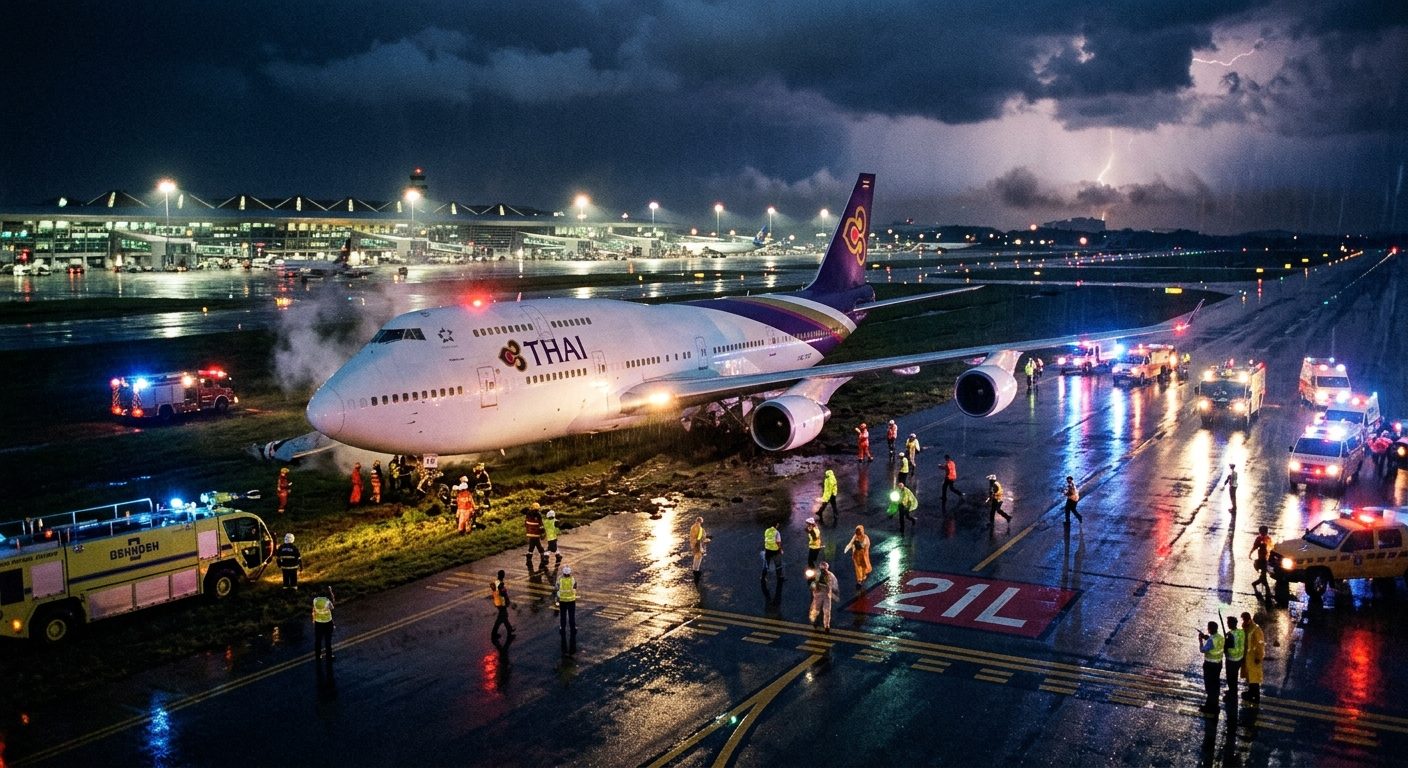
On September 23, 1999, a Qantas Boeing 747 — Flight 1 — was attempting to land at Bangkok's Don Mueang Airport during a storm. The conditions were rough, the runway slick, and the plane overran the tarmac. It sounds terrifying. And yet, the headline that followed wasn't a tragedy — it was something closer to a case study in resilience. There were only minor injuries. Nearly everyone walked away. A massive system under serious stress didn't catastrophically collapse. It failed gracefully.
That phrase — graceful failure — is one we throw around a lot in software and systems architecture, but it's worth sitting with for a second. The reason that flight didn't become a disaster wasn't luck alone. It was layers: redundant safety systems, trained crew responses, airport emergency protocols, aircraft structural design built to absorb unexpected stress. No single safeguard saved the day. They all did, together. In tech, we're building those same kinds of layered systems every day — or at least, we should be. When your API goes down, does your app degrade gracefully or does it take everything else with it? When a deployment goes sideways at 2am, do you have the runways, the lights, and the crew ready to respond?
The honest truth is that storms will come. Deadlines get crunched, traffic spikes unexpectedly, a key team member leaves, a client changes scope mid-project. The goal was never to avoid every bad condition — it's to build something sturdy enough that when the ground comes up faster than expected, you can still walk away. That's not pessimism. That's just good engineering, and good leadership. Plan for the overshoot, and your people — and your clients — will trust you all the more for it.