When the Space Station Went Sideways: What a 45-Degree Spin Teaches Us About System Failures
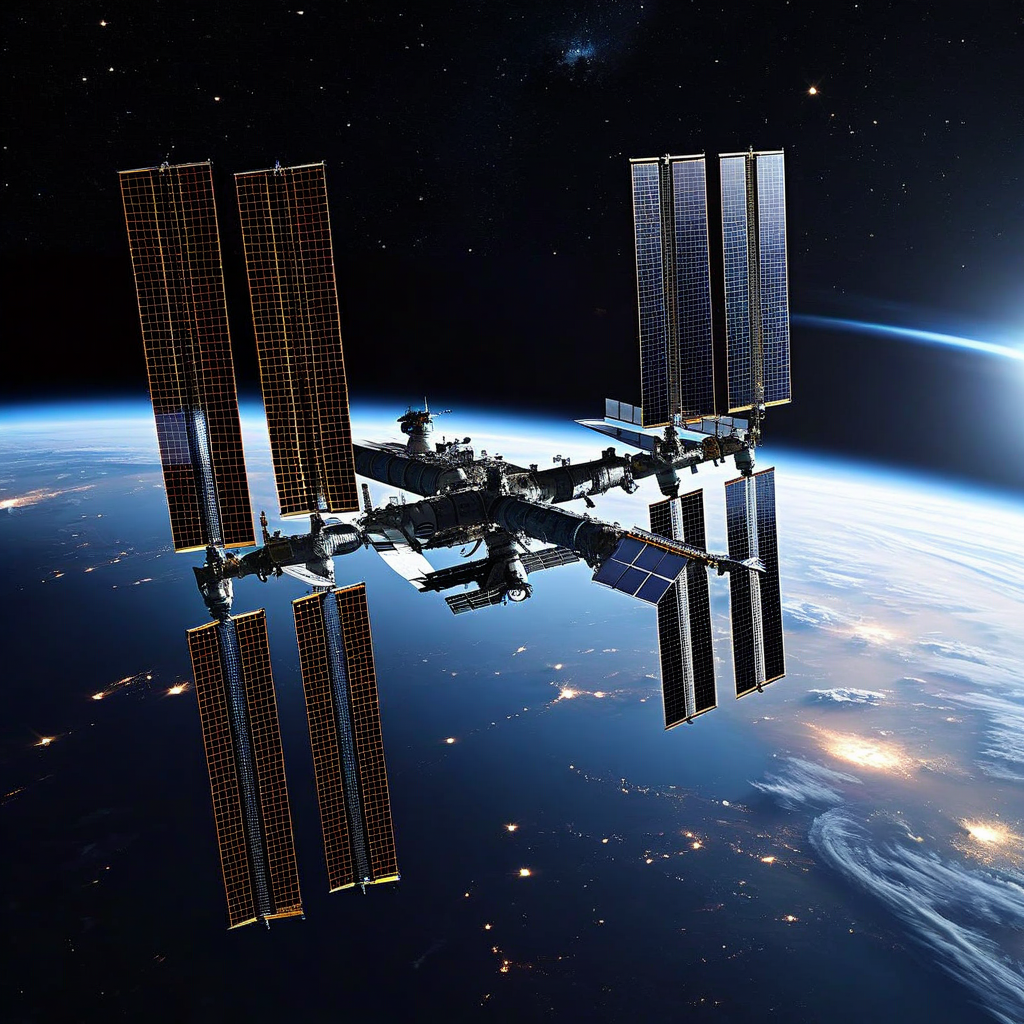
On July 29, 2021, the International Space Station — a structure the size of a football field, traveling at 17,500 mph, housing a crew of seven humans — unexpectedly started rotating. A newly docked Russian module called Nauka fired its thrusters by mistake, pushing the entire station 45 degrees out of its correct attitude before flight controllers could wrestle it back into position. The whole terrifying ordeal lasted about 47 minutes. Nobody was hurt, but for nearly an hour, one of humanity's greatest engineering achievements was essentially spinning out of control.
Here's what's worth sitting with: the ISS didn't survive that moment because nothing went wrong. It survived because the people and systems around it were designed for things going wrong. Flight controllers had procedures. Backup thrusters fired to compensate. Communication lines held. In software and business, we spend enormous energy trying to prevent failure — and that's smart — but the teams that truly thrive are the ones who spend equal energy asking "what happens when it breaks anyway?" Redundancy, runbooks, incident response plans, on-call rotations — these aren't signs that your product is weak. They're signs your team is serious.
The other lesson? A single misbehaving module nearly destabilized everything connected to it. Sound familiar? One poorly integrated third-party API, one microservice with no rate limiting, one team that skipped the code review — these are your Nauka moments waiting to happen. Resilient systems aren't just technically redundant; they're architecturally humble, built with the assumption that any component can misbehave. Whether you're managing cloud infrastructure or leading a consulting engagement, the question isn't if something will fire at the wrong time. It's whether you've done the work so that when it does, the whole station stays in the sky.