Windows 1.0 Turns 39: What a Clunky First Release Teaches Us About Shipping Software
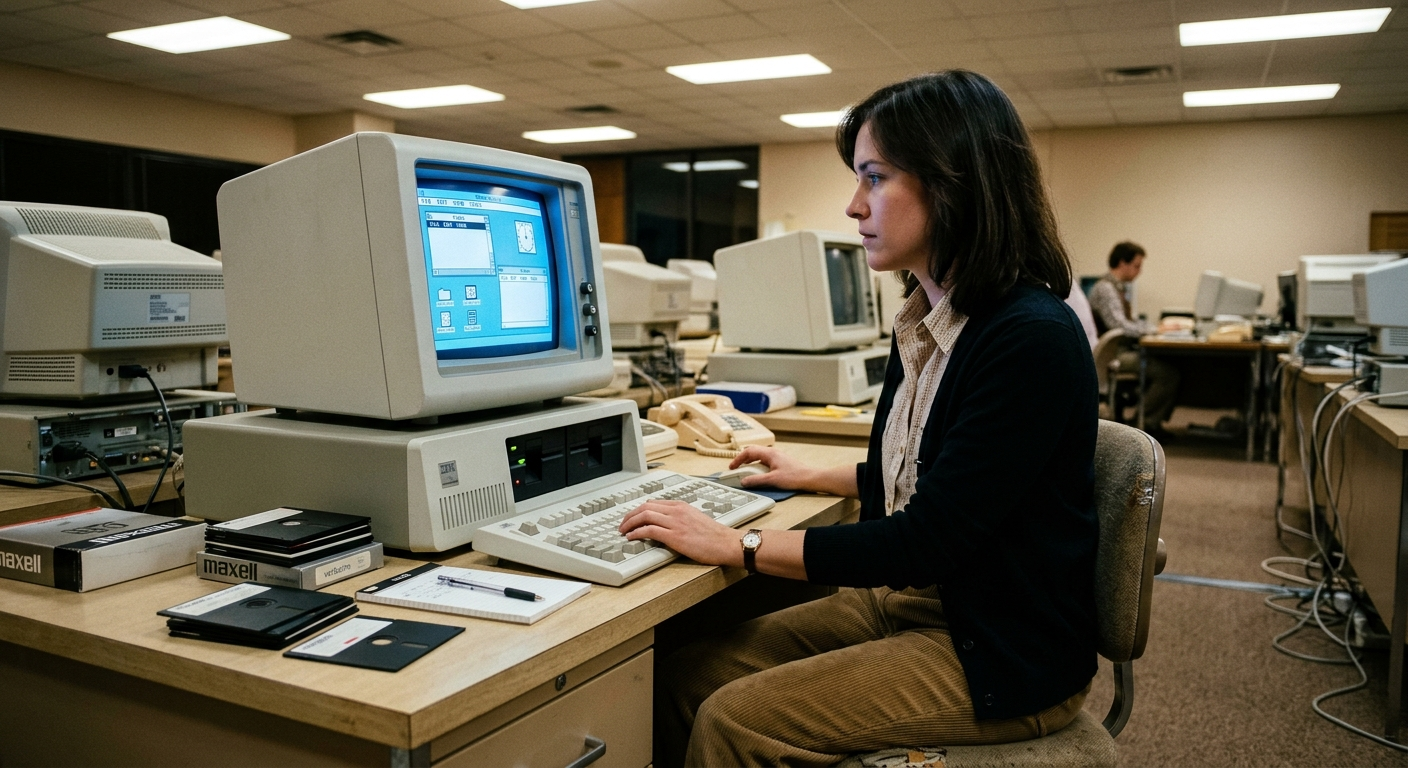
On November 20, 1985, Microsoft released Windows 1.0 to the world — and the world was... not exactly impressed. Critics called it slow and unnecessary. It couldn't even overlap windows on screen (they tiled side by side like awkward roommates sharing a studio apartment). It required a minimum of 256KB of RAM and two floppy disk drives just to limp along. PC Magazine was skeptical. Users were confused. And yet, that embarrassingly rough 1.0 release quietly set in motion one of the most consequential software journeys in history.
Here's what's worth sitting with: Microsoft didn't wait until it was perfect. They shipped something real, something tangible, something people could actually react to. Version 1.0 wasn't the vision — it was the start of the vision. The Windows we know today passed through 2.0, 3.1, 95, the Vista disaster, the Windows 7 comeback, and dozens of iterations in between. None of that happens without someone being willing to put an imperfect version into the world and learn from the response. In software development and tech leadership, the instinct to hold back until everything is polished is one of the most expensive instincts you can have.
If your team is sitting on a product, a feature, or even an internal tool waiting for it to feel "ready" — maybe today is a good day to ask what a 1.0 looks like. Not broken, not embarrassing, but honest. Something real enough to learn from. Microsoft's Windows 1.0 was clunky, cramped, and kind of a punchline. It was also the foundation of a trillion-dollar platform. Ship the thing.